Tea Leaves and Portfolio Gains: My Quiet Bet on Liquid Assets
What if your morning ritual could double as an investment strategy? I never thought a cup of aged pu-erh would lead me down the path of alternative assets—until I saw how quietly, steadily, it outperformed parts of my stock portfolio. Tea investing isn’t about quick flips or hype; it’s patience, provenance, and preservation. Let me walk you through how this niche market became my go-to for diversification beyond the usual suspects. It began not with spreadsheets or stock alerts, but with a quiet moment over a gaiwan of steeped leaves. As the amber liquor warmed my hands, I learned that some teas appreciate not just in flavor, but in value—sometimes more reliably than traditional holdings. This is not speculation. It is a long-term play rooted in scarcity, craftsmanship, and time.
The Unexpected Asset Class Hiding in Your Cup
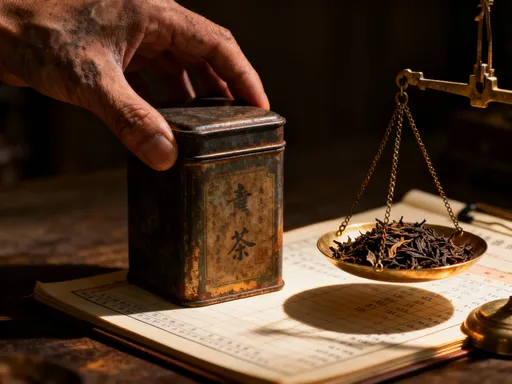
Most investors think of assets as numbers on a screen—stock tickers, bond yields, real estate listings. But real wealth can reside in physical, tangible things that endure, evolve, and gain worth over time. Among the most overlooked of these is aged tea, particularly varieties like raw pu-erh, high-mountain oolong, and ancient-tree white tea. These are not ordinary supermarket blends; they are botanical artifacts, harvested from old-growth tea trees, processed with care, and aged under precise conditions. When stored properly, they improve with age, developing richer flavors and increasing in market desirability. The result? A growing collector’s market where decades-old cakes of tea command prices far beyond their original cost.
What makes tea qualify as a legitimate alternative asset is its combination of scarcity, authenticity, and cultural significance. Like fine wine or vintage timepieces, rare tea is not mass-produced. Its value is tied to origin, harvest year, processing method, and storage history. A tea from a specific mountain in Yunnan, made in a single batch during a favorable season, cannot be replicated. This uniqueness creates a natural barrier to supply, while global interest from collectors and connoisseurs drives demand. Unlike digital assets or speculative stocks, tea has intrinsic qualities—its aroma, mouthfeel, and aging potential—that can be assessed and appreciated by those with knowledge. This gives it a grounding in reality that many modern investments lack.
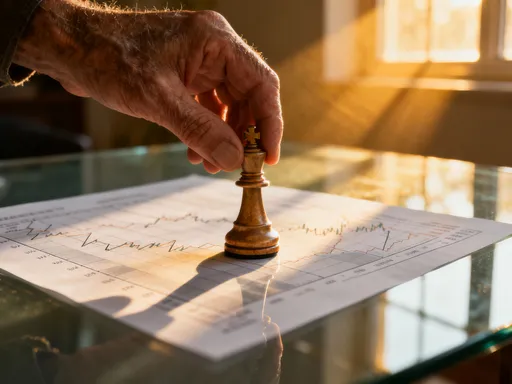
Moreover, tea as an asset behaves differently from traditional financial instruments. It does not fluctuate with interest rates or corporate earnings reports. Its appreciation is gradual, often spanning decades, and is driven by preservation rather than trading volume. This makes it a counterbalance to the noise and volatility of public markets. While a stock might surge one quarter and collapse the next, a well-stored tea cake grows more valuable with each passing year, provided it is handled correctly. For investors seeking stability and long-term growth outside the mainstream, tea offers a quiet, steady alternative—one that rewards patience and care over speed and speculation.
Why Diversification Needs More Than Just Stocks and Bonds
Diversification is often misunderstood. Many believe that owning a mix of large-cap, mid-cap, and international stocks is enough to spread risk. But when markets face systemic shocks—like inflation spikes, interest rate hikes, or global downturns—most traditional assets move in tandem. Bonds may fall as rates rise, real estate can stagnate during recessions, and cash loses purchasing power over time. True diversification means including assets that respond differently to economic forces. This is where alternative investments come in, and tea stands out as one of the most accessible and understated options.
Physical tea, particularly aged varieties, has a performance profile that is largely uncorrelated with stock markets. Its value does not depend on quarterly revenue or analyst ratings. Instead, it is influenced by factors like harvest conditions, aging quality, and collector demand—forces that operate on a different timeline and logic than Wall Street. During periods of market turbulence, when investors flee to safe-haven assets, tea has shown resilience. It does not generate headlines or panic selling. Its worth is preserved through proper storage and patience, making it a stabilizing force in a portfolio that might otherwise swing wildly with market sentiment.
Consider the behavior of a balanced portfolio that includes a small allocation—say, 5%—to rare tea. When equities decline, this portion of the portfolio may hold steady or even appreciate, depending on market conditions in the collector space. Over time, as tea ages and becomes rarer, its value compounds quietly, without the need for active management. This contrasts sharply with stocks, which require constant monitoring, or real estate, which involves maintenance and liquidity constraints. Tea, when selected wisely, becomes a passive asset that gains strength through time, not trading activity.
The benefit of such diversification is not just financial—it is psychological. Knowing that part of your wealth is anchored in something tangible, enduring, and culturally meaningful can provide a sense of security that digital portfolios cannot. It shifts the focus from short-term gains to long-term stewardship. In this way, tea investing supports not only portfolio resilience but also a more grounded, thoughtful approach to wealth management—one that values patience, authenticity, and continuity.
Spotting Value: What Makes a Tea Investment-Worthy?
Not all tea is created equal. The vast majority of tea available on the market—especially mass-produced blends—will not appreciate in value. In fact, most will degrade over time if not consumed quickly. The key to successful tea investing lies in identifying the rare exceptions: teas with the right combination of origin, craftsmanship, and aging potential. These are typically single-estate, small-batch productions from regions with a strong reputation for quality, such as Yunnan for pu-erh, Fujian for white tea, and Taiwan’s high mountains for oolong.
Among the most sought-after varieties is raw (sheng) pu-erh from ancient tea trees in Yunnan’s Xishuangbanna region. These trees, some hundreds of years old, produce leaves with complex chemical profiles that evolve beautifully over decades. When pressed into cakes and stored in a controlled environment, they undergo slow microbial fermentation, deepening in flavor and aroma. Over time, well-aged pu-erh develops a smooth, rich character that collectors prize, and its market value reflects this demand. Similarly, high-elevation Dong Ding oolong from Taiwan and Silver Needle white tea from Fujian’s Fuding region have demonstrated long-term appreciation when stored correctly.
To assess a tea’s investment potential, several factors must be considered. First is provenance: where was it grown, and by whom? Reputable producers often provide detailed information about the harvest year, elevation, and processing method. Second is authenticity. The market is rife with counterfeit or mislabeled teas, especially online. Buyers should seek verifiable documentation or purchase directly from trusted sources. Third is storage history. Tea must be kept in a cool, dry, odor-free environment with stable humidity. Even slight exposure to moisture or strong smells can ruin its quality and value. Finally, leaf integrity matters—whole, unbroken leaves indicate careful handling and better aging potential.
Investors should also be cautious of exaggerated claims. Some sellers promote teas as “guaranteed” to increase in value, but no asset offers certainty. The best approach is to focus on teas with a track record of appreciation, backed by collector demand and auction results. By applying these criteria, investors can separate genuine opportunities from hype and build a foundation for long-term value.
The Hidden Risks No One Talks About
Tea investing is not without its challenges. Unlike gold, real estate, or even fine art, tea is a perishable commodity. It requires ongoing care and attention to maintain its condition and value. The most common threats are environmental: moisture, light, temperature fluctuations, and exposure to strong odors. A tea stored in a damp basement can develop mold, rendering it unsellable and unsafe to drink. Even brief exposure to sunlight can degrade its chemical composition, diminishing both flavor and market worth. These risks are often underestimated by newcomers who treat tea like any other collectible.
Liquidity is another significant constraint. While stocks can be sold within seconds, selling rare tea requires finding the right buyer—often a collector, specialist dealer, or auction house. The market is niche, and transactions can take weeks or months to complete. Pricing is not standardized; it depends heavily on reputation, documentation, and current demand. Without provenance records or expert authentication, even a high-quality tea may struggle to find a buyer at fair value. This makes tea a long-term holding rather than a liquid asset, unsuitable for those needing quick access to cash.
Counterfeiting is also a persistent issue. The lack of regulation in some markets allows for the sale of fake or adulterated teas. Some unscrupulous sellers repackage older or lower-grade teas with misleading labels, claiming they are rare vintages. Others artificially age teas to mimic the appearance of decades-old cakes. Without expert knowledge or third-party verification, it is difficult to detect these practices. This underscores the importance of buying from trusted sources and building relationships within the collector community.
To mitigate these risks, investors must treat tea storage as seriously as they would safeguard any valuable asset. Climate-controlled cabinets with humidity monitoring are ideal. Regular inspections can catch early signs of spoilage. Keeping detailed records—photos, purchase receipts, storage logs—adds credibility when it comes time to sell. While these steps require effort, they are essential for preserving value. Tea investing rewards diligence, not luck.
Building a Tea Portfolio: Practical Steps for Entry
Entering the world of tea investing does not require deep expertise or a large budget. The best approach is to start small, treating it as a learning process as much as a financial move. Allocate a modest portion of your alternative investment funds—enough to acquire a few high-potential teas without overexposure. Focus on quality over quantity. One well-chosen tea cake from a reputable producer can outperform a dozen mass-market purchases.
Begin by researching producers with strong reputations. Look for estates or cooperatives that provide transparent information about their harvests, processing methods, and storage practices. Direct purchases from these sources, or through certified dealers, reduce the risk of counterfeits. Pay attention to harvest year, elevation, and leaf type. For pu-erh, raw (sheng) varieties generally have greater aging potential than ripe (shou) versions. For oolong and white tea, high-altitude, single-origin batches are preferred.
Once acquired, document every detail. Record the origin, harvest date, weight, processing style, and purchase price. Take clear photos of the tea cake or loose leaves. Store the tea in a dedicated space—ideally a cabinet with temperature and humidity control, away from kitchens or bathrooms where odors and moisture are present. Avoid plastic containers; breathable materials like cotton or paper are better for long-term aging. Rotate and inspect your collection periodically to ensure no spoilage has occurred.
Over time, track market trends through collector forums, auction results, and specialty publications. These sources can provide insights into which vintages or regions are gaining favor. As your knowledge grows, you may choose to expand your collection strategically, focusing on vintages with strong aging trajectories. The goal is not to amass a large quantity, but to build a curated portfolio of teas with genuine appreciation potential. By treating tea as a structured investment rather than a casual hobby, you position yourself for long-term success.
How to Exit: Turning Leaves into Liquidity
Eventually, you may decide to sell part or all of your tea collection. The exit strategy depends on your goals—whether you need immediate liquidity, want to manage tax implications, or plan to pass the collection to heirs. Unlike stocks, tea does not have a centralized exchange, so selling requires patience and access to the right channels. The most common options include private collectors, specialty auction houses, and dedicated online platforms that cater to tea enthusiasts.
Provenance documentation becomes critical at this stage. Buyers will want to know the tea’s origin, harvest year, storage history, and any authentication records. The more complete your documentation, the greater the trust—and the higher the potential sale price. Photos, purchase receipts, and storage logs all add credibility. In some cases, third-party appraisal or certification from a recognized tea authority can further validate the collection’s worth.
Timing also matters. The market for rare tea can be cyclical, influenced by cultural trends, economic conditions, and collector interest. Selling during a period of high demand can yield better returns. Some investors choose to sell gradually, unloading portions of their collection over time to smooth out price fluctuations and manage capital gains taxes. Others prefer a single transaction, especially if they are downsizing or reallocating assets.
For those not in need of cash, tea can also serve as part of a legacy plan. High-quality aged teas can be passed down through generations, much like family heirlooms or fine art. They carry not just monetary value, but stories—of harvests, craftsmanship, and personal journeys. This adds a dimension of meaning that transcends financial return, making tea a unique blend of asset and inheritance.
Beyond Profit: The Cultural Capital of Tea Wealth
While financial appreciation is a compelling reason to invest in tea, many find that the deeper rewards are non-monetary. Tea connects you to centuries-old traditions, artisanal knowledge, and sustainable farming practices. Each cake tells a story—of a mountain slope in Yunnan, a family-run estate in Fujian, or a master craftsman’s hands shaping leaves by firelight. Owning these teas means participating in a living heritage, one that values patience, respect for nature, and the slow unfolding of time.
This cultural capital enriches the investor’s experience in ways that spreadsheets cannot measure. It fosters a sense of stewardship—a responsibility to preserve not just value, but meaning. Many tea investors develop lasting relationships with producers, visit tea-growing regions, and deepen their understanding of agricultural sustainability. Some even support small farms through direct purchases, contributing to rural economies and ecological preservation.
In a world where wealth is often measured in speed and scale, tea investing offers a counter-narrative. It is slow, deliberate, and grounded in authenticity. It reminds us that true value is not always found in volatility or visibility, but in quiet endurance. When done thoughtfully, it aligns financial goals with personal values, creating a portfolio that is not only stronger, but richer in story. In the end, the most valuable return may not be in dollars, but in the deeper connection to tradition, craftsmanship, and the simple act of savoring a well-aged cup—one sip at a time.