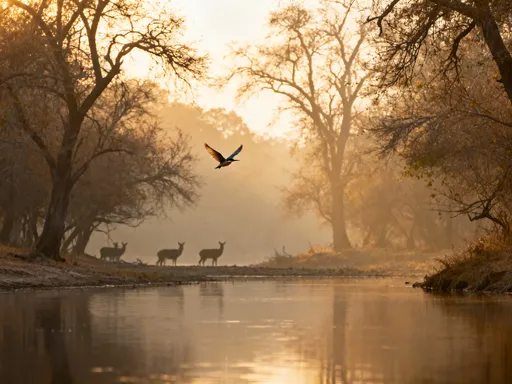
You Gotta See These Hidden Wild Spaces Near Invercargill
When I first arrived in Invercargill, I didn’t expect much—just a quiet town at the edge of the world. But just beyond the city lie untouched wilds that took my breath away. From misty dunes to ancient forests, these protected areas are raw, real, and incredibly peaceful. If you’re craving nature that feels undiscovered, this is your spot. Let me show you why these reserves are absolutely worth the trip.
Discovering the Edge of the World: Why Invercargill’s Location Matters
Invercargill holds a unique distinction as the southernmost city in New Zealand, sitting at the very tip of the South Island. This geographical isolation often leads travelers to view it as a transit point on their way to more famous destinations. Yet, its remote location is precisely what makes the surrounding natural spaces so pristine. Far from dense urban development and mass tourism, the ecosystems near Invercargill have evolved with minimal human interference, preserving a sense of untouched authenticity that’s increasingly rare in today’s world.
The city’s position acts as a quiet gateway to some of the country’s most ecologically significant regions. To the west lies Fiordland, a vast wilderness carved by glaciers and fed by some of the highest rainfall zones in the country. To the south, across the Foveaux Strait, Stewart Island beckons with its rugged coastline and deep forests. Even within a short drive of the city center, protected reserves and coastal landscapes offer immersive natural experiences. These areas benefit from cooler temperatures, strong oceanic influences, and limited foot traffic, all contributing to their ecological resilience.
What’s shifting now is how visitors perceive Invercargill—not as a place to pass through, but to pause and explore. More travelers are discovering that staying a little longer unlocks access to landscapes that feel timeless and deeply grounding. Families, retirees, and nature lovers alike are finding that the city’s modest size belies its proximity to extraordinary environments. Whether you're seeking solitude, birdwatching opportunities, or simply a walk where the only sounds are wind and waves, Invercargill offers an unexpected depth of natural wonder.
This change in mindset—from rushing onward to slowing down and looking around—has brought new appreciation to the region. Locals have long known about the quiet magic of nearby forests and beaches, but now visitors are beginning to understand that true discovery doesn’t always require long flights or crowded trails. Sometimes, the most meaningful experiences come from stepping just outside a small town and realizing how close real wilderness still is.
Fiordland National Park: Where Giants Meet the Sea
Just a few hours’ drive from Invercargill, Fiordland National Park unfolds like a scene from another era. As one of New Zealand’s 13 national parks and a designated UNESCO World Heritage site, Fiordland spans over 1.2 million hectares of dramatic terrain. It’s a land shaped by ice, where towering peaks plunge into dark, mirror-like waters, and waterfalls cascade down sheer rock faces after every rain. This is not scenery designed for the casual glance—it demands attention, respect, and a willingness to embrace the wild.
Among its most celebrated features is Doubtful Sound, a fiord so remote and silent that many who visit describe it as spiritual. Unlike the more accessible Milford Sound, Doubtful Sound sees fewer visitors, allowing for a more intimate experience with nature. Boat cruises glide through its deep channels, often accompanied by the curious presence of bottlenose dolphins or the occasional New Zealand fur seal basking on rocky outcrops. The silence between the calls of seabirds is profound, broken only by the distant thunder of unseen waterfalls.
The rainforests that cloak Fiordland’s slopes are equally impressive. Lush with mosses, ferns, and towering rimu and miro trees, these forests provide habitat for some of the country’s most unique wildlife. The alpine parrot known as the kea can often be spotted near trailheads or picnic areas, displaying its intelligence and curiosity. While they’re a delight to watch, visitors are reminded to keep a respectful distance and never feed them, as human food can harm their health and alter natural behaviors.
For those planning a visit, preparation is key. Weather in Fiordland changes rapidly, with rain possible at any time of year. Layered clothing, waterproof gear, and sturdy footwear are essential. The most common entry points are via Te Anau or Manapouri, both of which offer guided tours, boat shuttles, and informative visitor centers managed by the Department of Conservation (DOC). Overnight cruises on Doubtful Sound allow travelers to experience the fiord after day-trippers have left, offering a chance to hear the night sounds of the forest and perhaps even catch a glimpse of bioluminescence in the water.
Despite its ruggedness, Fiordland is accessible to a wide range of visitors. Short walks like the Kepler Track’s Luxmore Hut approach or the easy lakeside path at Lake Marian offer rewarding views without requiring advanced hiking skills. For the more adventurous, multi-day tramps like the famous Milford Track—one of the Great Walks—provide deep immersion in the landscape. No matter your level of experience, Fiordland rewards those who come prepared with a sense of awe and humility.
Stewart Island/Rakiura: Off-the-Grid Wilderness Calling
If Fiordland feels remote, Stewart Island—known in Māori as Rakiura—feels like stepping even further off the map. Located just a 30-minute flight or one-hour ferry ride from Invercargill, this sparsely populated island is a sanctuary of solitude and biodiversity. With only around 400 residents and no traffic lights, Rakiura moves at the pace of tides and bird calls. Over 85% of the island is protected as Rakiura National Park, making it one of the most significant conservation areas in the country.
The island’s ecological importance cannot be overstated. It serves as a critical refuge for native species, particularly birds that have disappeared from much of mainland New Zealand. Chief among these is the iconic kiwi—specifically the Stewart Island brown kiwi, which can be seen in the wild with a bit of patience and quiet observation. Unlike many places where kiwi are endangered and rarely spotted, here they roam freely, especially at night. Guided kiwi spotting walks are a highlight for many visitors, offering a rare chance to see these shy, flightless birds in their natural habitat.
Daytime exploration reveals a network of coastal and forest trails, including the 32-kilometer Rakiura Track, one of New Zealand’s Great Walks. This multi-day hike winds through dense podocarp forests, across wooden boardwalks, and along windswept beaches, all with minimal infrastructure—just basic huts for overnight stays. The simplicity of the experience is part of its charm, encouraging hikers to disconnect from digital life and reconnect with the rhythms of nature.
Another extraordinary feature of Stewart Island is its dark sky status. With minimal light pollution, the night sky here is breathtaking. On clear evenings, the Milky Way arcs across the heavens, and during certain seasons, the southern lights—aurora australis—dance above the horizon. Stargazing from the beach at Lee Bay or the summit of Mount Anglem offers an experience that few other places on Earth can match.
Visitors are encouraged to respect the island’s fragility. Dogs are not permitted, as they pose a threat to ground-nesting birds. Waste must be carried out or disposed of properly, and all trails should be followed to prevent erosion. The small community takes great pride in preserving Rakiura’s wild character, and tourists are welcomed as long as they come with a spirit of care and curiosity. For families or individuals seeking a true escape, Stewart Island offers a rare chance to live simply, move slowly, and listen deeply.
Aokautere Scenic Reserve: The Local Secret Most Miss
Just 15 minutes by car from downtown Invercargill, Aokautere Scenic Reserve remains one of the region’s best-kept secrets. Tucked away along the banks of the Waihopai River, this peaceful forested area offers an instant retreat from daily life. While it may not have the grandeur of Fiordland or the remoteness of Stewart Island, Aokautere provides something equally valuable: easy access to native forest and the calming presence of undisturbed nature.
The reserve protects a remnant of lowland podocarp-broadleaf forest, including towering rimu, mataī, and kahikatea trees that have stood for centuries. Walking along its well-maintained tracks, visitors are enveloped in a green hush, where sunlight filters through the canopy and the only sounds are birdsong and rustling leaves. The air feels cooler, cleaner, and somehow richer—like breathing in the essence of the forest itself.
Birdlife is abundant here. Tūī, with their iridescent feathers and complex calls, dart between flowering flax plants. Bellbirds add their clear, ringing notes to the morning chorus, while more elusive species like the New Zealand robin may appear if you stand quietly. The reserve is also home to native insects and reptiles, including the jewelled gecko, which blends perfectly into the lichen-covered bark of old trees.
What makes Aokautere especially valuable is its accessibility. Parents with young children, older adults looking for a gentle walk, or anyone needing a midday reset can visit without extensive planning. The main loop track is less than three kilometers long and mostly flat, making it suitable for most fitness levels. Informational signs along the way explain the ecological significance of the forest and the ongoing efforts to restore native plant species.
Local conservation groups regularly organize volunteer days to remove invasive weeds and plant native seedlings, helping to expand the forest’s resilience. Visitors are encouraged to support these efforts by staying on marked paths, keeping dogs on leashes (where permitted), and avoiding littering. In a world where natural spaces are shrinking, Aokautere stands as a reminder that even small reserves play a vital role in preserving biodiversity and offering mental and emotional renewal.
Oreti Beach and the Dunes: Nature’s Shifting Landscape
Stretching for 18 kilometers along the southern coast, Oreti Beach is more than just a scenic shoreline—it’s a dynamic, living landscape shaped by wind, tide, and time. This expansive stretch of sand connects Invercargill to the small settlement of New River and offers a different kind of wilderness experience: open, windswept, and ever-changing. The dune system behind the beach is one of the most ecologically significant in Southland, supporting specialized plants and serving as a nesting ground for native shorebirds.
The dunes are not static; they shift and reform with every storm and season. Marram grass and native spinifex help stabilize the sand, preventing erosion and creating microhabitats for insects and small animals. Conservationists have been working for decades to restore the dune ecosystem by removing invasive species and planting hardy native vegetation like pingao and sand tussock. These efforts are crucial for protecting the beach from coastal degradation and supporting the return of native wildlife.
For visitors, Oreti Beach offers a wide range of low-impact activities. Walking at low tide allows for long, meditative strolls with views of distant mountains and seabirds skimming the waves. Kite flying is a favorite pastime, especially on windy days when the beach becomes a natural playground. Families often visit to let children run freely in the open space, build sandcastles, or search for shells and driftwood.
But enjoyment must come with responsibility. The beach is home to nesting banded dotterels and other shorebirds that lay their eggs directly in the sand, making them vulnerable to trampling and dogs. DOC recommends walking closer to the water’s edge during breeding season (spring and early summer) and keeping dogs under close control or choosing dog-friendly zones. Educational signage at access points explains the importance of the dune system and how visitors can help protect it.
For those interested in deeper engagement, local conservation groups offer guided walks and planting days. Participating in a restoration event is a meaningful way to give back while learning about coastal ecology. Whether you come for a quiet walk, a family outing, or a chance to contribute, Oreti Beach reminds us that even seemingly simple landscapes are complex, fragile, and worthy of care.
Wildlife You’ll Actually See: From Kiwi to Sea Lions
One of the most rewarding aspects of visiting the natural areas near Invercargill is the chance to encounter wildlife in its natural setting. Unlike zoos or wildlife parks, these reserves offer authentic, unscripted moments—seeing a kiwi forage at dusk, watching a sea lion haul out on a quiet beach, or hearing the call of a tūī in the forest canopy. These experiences are not guaranteed, but they are possible, and that’s what makes them so special.
The Stewart Island brown kiwi is perhaps the star of the region’s wildlife. Thanks to predator control programs and habitat protection, its population has stabilized, and sightings are increasingly common. Night walks with experienced guides increase the chances of a sighting while minimizing disturbance. Visitors are taught to remain quiet, avoid sudden movements, and never use flashlights directly on the birds. These simple practices ensure that the kiwi can continue its natural behaviors undisturbed.
Along the southern coast, New Zealand sea lions—also known as whakahao—can occasionally be seen resting on sandy beaches. These rare marine mammals are among the world’s most endangered sea lion species, and their presence is a sign of improving ocean health. When encountering one, it’s essential to keep a distance of at least 20 meters, avoid blocking their path to the water, and never attempt to touch or feed them. While they may look docile, they are wild animals and can move quickly if startled.
Birdlife is abundant throughout the region. In addition to kiwi, tūī, and bellbirds, visitors may spot the kākā, a forest parrot with a loud, rolling call, or the shining cuckoo during spring migration. Coastal areas attract oystercatchers, shags, and sometimes even royal spoonbills. Each species tells a story of adaptation and survival in a challenging environment.
The Department of Conservation plays a central role in these conservation successes. Through predator trapping, habitat restoration, and public education, DOC has helped reverse the decline of many native species. Volunteers and community groups also contribute significantly, planting thousands of native trees and monitoring wildlife populations each year. By supporting these efforts—whether through donations, participation, or responsible visitation—travelers become part of the solution.
How to Visit Right: Respect, Prepare, and Leave No Trace
With great beauty comes great responsibility. The wild spaces near Invercargill are fragile, shaped by centuries of natural processes and decades of careful conservation work. Every visitor has a role to play in ensuring these areas remain intact for future generations. The principles of Leave No Trace provide a clear framework for responsible tourism: plan ahead, stay on trails, dispose of waste properly, leave what you find, minimize campfire impacts, respect wildlife, and be considerate of others.
Preparation begins before you leave home. Check weather conditions, pack appropriate clothing, and carry enough water and food. Trails in Fiordland or Stewart Island can become slippery and hazardous in rain, so proper footwear is non-negotiable. Always let someone know your plans, especially if heading into remote areas. Downloading offline maps or carrying a physical copy can be lifesaving if phone signals fail.
While on the trail, stick to designated paths to prevent soil erosion and protect native plants. Avoid shortcuts, which can damage roots and accelerate trail degradation. Take all rubbish with you—even biodegradable items like apple cores can introduce foreign seeds or disrupt local ecosystems. Never feed wildlife, as this alters natural behaviors and can lead to health problems.
Respecting wildlife means observing from a distance and never attempting to touch or approach animals. Use binoculars or zoom lenses for closer views. If an animal changes its behavior because of your presence, you’re too close. At night, use red-light settings on torches to avoid disturbing nocturnal species like kiwi.
Supporting local conservation can take many forms. Choose eco-certified tour operators who follow best practices. Donate to organizations like the Fiordland Conservation Trust or the Stewart Island Rakiura Māori Lands Trust. Participate in citizen science programs, such as bird counts or beach cleanups. Even small actions—like sharing respectful photos on social media—can inspire others to visit with care.
Ultimately, visiting these wild spaces is not just about what you take away in memories, but what you leave behind in stewardship. When we move through nature with humility and intention, we become part of its story—not as conquerors, but as caretakers.
Conclusion
These protected areas aren’t just beautiful—they’re vital. By visiting with care, you help preserve them for generations. Invercargill isn’t just a stopover; it’s a gateway to some of the last true wild places on Earth. So gear up, tread lightly, and go explore.