You Won’t Believe What Hyderabad’s Cityscape Hides
Hyderabad isn’t just about biryani and pearls—its cityscape tells a deeper story. From the echoes of Qutb Shahi grandeur to the glow of modern tech hubs, I was stunned by how past and future coexist. Walking its streets, I discovered layered neighborhoods, quiet heritage corners, and skyline surprises most travelers miss. This is more than a visual journey—it’s a feel, a rhythm. If you think you know Hyderabad, think again.
First Impressions: The Pulse of a Dual-Paced City
Arriving in Hyderabad, the blend of old-world charm and digital-age energy hits immediately. As the airport cab glides along wide, tree-lined roads shaded by gulmohar and neem, the city unfolds with a measured grace. Unlike the relentless pace of Mumbai or the colonial echoes of Kolkata, Hyderabad moves at its own rhythm—one that balances tradition with transformation. The skyline begins with low-rise colonial buildings, then shifts into clusters of glass towers near Gachibowli and HITEC City, symbols of a thriving IT economy. Yet, even amid this modernity, the city never feels hurried or chaotic. There’s a calm in the way people walk, shop, and interact—a sense of rootedness that speaks to a deeper cultural confidence.
This duality is not accidental. Hyderabad has long been a city of synthesis. Founded in 1591 by Muhammad Quli Qutb Shah, it was envisioned as a fusion of Persian elegance and Deccan resilience. Today, that legacy lives on. The traffic may hum with auto-rickshaws and electric scooters, but the pace of life retains a certain deliberateness. Markets like Begum Bazaar bustle with activity, yet there’s no pushiness—vendors greet with warmth, and bargaining feels like conversation rather than confrontation. The cityscape mirrors this balance: colonial-era bungalows stand beside sleek apartment complexes, while street food stalls operate beneath fiber-optic cables.
What makes Hyderabad’s urban identity unique is how seamlessly it integrates contrasts. You can sip filter coffee in a century-old Irani café, then attend a virtual meeting in a co-working space equipped with 5G. The city doesn’t force modernity at the expense of heritage; instead, it layers them. This is evident in its neighborhoods, where history isn’t preserved in museums alone but lives in the architecture, cuisine, and daily rituals. For travelers, this means every turn reveals a new dimension—not just of the city, but of how urban spaces can evolve without erasing their soul.
Historic Heart: Charminar and the Old City’s Labyrinth
At the core of Hyderabad lies the Charminar, not merely a monument but a living, breathing nerve center of the city. Built in 1591 to commemorate the end of a deadly plague, its four grand arches face the cardinal directions, welcoming visitors into a world where time seems to fold in on itself. Step through its arches, and you enter the Old City—a dense, vibrant maze of narrow lanes, bustling markets, and centuries-old mosques. This is where Hyderabad’s soul pulses strongest, where the scent of saffron, cardamom, and slow-cooked meat fills the air, and the call to prayer from Mecca Masjid blends with the sizzle of kebabs on open grills.
The area surrounding Charminar is a sensory masterpiece. Laad Bazaar, famous for its lacquered bangles, is a riot of color—glass bangles stacked in pyramids, shimmering under string lights. Women haggle with vendors, their hands adorned with the very jewelry they’re buying. Nearby, spice merchants display mounds of turmeric, red chili, and kewra essence, their stalls fragrant and photogenic. But this is no tourist stage—it’s real life. Families shop for wedding preparations, tailors cut fabric on sidewalk tables, and children dart between stalls with trays of sugarcane juice.
What sets the Old City apart is that its heritage isn’t frozen behind velvet ropes. It’s worn, used, and deeply integrated into daily existence. Mecca Masjid, one of the largest mosques in India, stands just steps from Charminar, its courtyard vast enough to hold thousands. Built with bricks made from soil brought from Mecca, it’s a place of reverence and community. On Fridays, the surrounding streets quiet as worshippers spill into the lanes, a powerful reminder of faith woven into the urban fabric. This is not preservation as performance—it’s heritage as lived experience, a rare and precious quality in modern cities.
Architectural Layers: From Golconda to the Qutb Shahi Tombs
A short drive west of the city center brings you to Golconda Fort, a majestic hilltop fortress that once guarded the Qutb Shahi dynasty’s wealth and power. Rising from the rocky Deccan plateau, its massive stone gates and labyrinthine pathways speak of a time when defense, acoustics, and artistry were inseparable. One of Golconda’s most astonishing features is its sound-based communication system—the “Fateh Rahben” whispering gallery—where a handclap at the entrance gate can be heard clearly over a kilometer away at the royal chambers. This engineering marvel, combined with intricate water channels and ventilation systems, reveals a civilization deeply attuned to both nature and innovation.
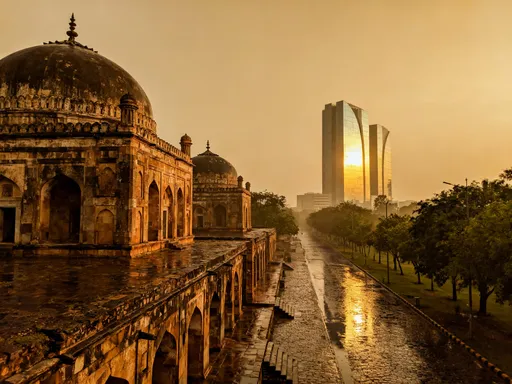
Nearby, the Qutb Shahi Tombs offer a quieter, more reflective experience. Set within a landscaped garden, the domed mausoleums of the dynasty’s rulers rise in elegant symmetry, their stonework blending Persian, Hindu, and Pathan influences. Unlike the grandeur of the Taj Mahal, which draws millions, these tombs remain relatively uncrowded, allowing for contemplative exploration. The largest tomb, that of Muhammad Quli Qutb Shah, features a double dome and perforated stone screens, casting intricate shadows as the sun moves across the sky. This site is not just a burial ground—it’s a testament to architectural continuity, where design elements from the 16th century still influence modern Hyderabad.
These historic sites are not isolated relics. Their arches, domes, and jali work echo in contemporary buildings across the city. The domes of the Telangana Legislative Assembly, for example, draw direct inspiration from Qutb Shahi architecture. Even modern hotels and cultural centers incorporate stucco work and courtyard layouts reminiscent of the era. This architectural dialogue between past and present shows that heritage in Hyderabad is not a costume—it’s a living language. For travelers, visiting Golconda and the tombs is not just about sightseeing; it’s about understanding the aesthetic roots that continue to shape the city’s identity.
Urban Evolution: How Banjara Hills and Jubilee Hills Redefined Luxury
Moving from the historic core to the twin enclaves of Banjara Hills and Jubilee Hills, the cityscape transforms dramatically. Towering apartment complexes with marble lobbies, designer boutiques, and tree-shaded villas signal Hyderabad’s emergence as a hub of affluence and ambition. Yet, unlike the ostentatious wealth seen in some global cities, the luxury here feels understated, almost discreet. There are no gold-plated elevators or celebrity sightings—just a quiet confidence in lifestyle and taste.
Banjara Hills, in particular, has evolved into a cultural and commercial nucleus. Road No. 1 and Road No. 10 are lined with high-end restaurants, art galleries, and wellness centers. Cafés buzz with professionals discussing startups, while parents gather at playgroups in landscaped complexes. The area is home to some of the city’s most prestigious schools and hospitals, reflecting a holistic approach to urban living. Jubilee Hills, adjacent and equally refined, hosts embassies, corporate offices, and the iconic Shilparamam craft village, where traditional artisans demonstrate weaving, pottery, and puppet-making.
What makes these neighborhoods remarkable is how they balance modernity with greenery. Wide avenues are lined with ashoka and rain trees, and parks like the Lumbini Park extension offer jogging tracks and meditation zones. The presence of institutions like the Hyderabad Public School and the American Consulate adds to the area’s cosmopolitan feel. Yet, even in this affluent setting, the local flavor persists—street vendors sell mirchi bajji outside office towers, and evening markets offer fresh produce from nearby farms. This blend of comfort and culture shows that urban growth in Hyderabad is not about erasing the past, but enriching it.
Tech Terrain: HITEC City and the Silicon Soul
HITEC City—Hyderabad Information Technology and Engineering Consultancy City—is more than an office district; it’s a landscape of glass, light, and constant motion. As one of India’s leading IT hubs, it hosts global giants like Microsoft, Amazon, and Google, alongside homegrown startups and innovation centers. By day, the area hums with professionals in crisp shirts and headphones; by night, the skyline glows with LED-lit towers, creating a futuristic silhouette against the Deccan sky.
But what’s most striking about HITEC City is how livable it feels. Unlike sterile business districts elsewhere, this is a space designed for people. Wide pedestrian walkways, shaded seating areas, and public art installations—like the steel sculpture of a dancing peacock—add warmth to the urban environment. The Metro Rail connects seamlessly to the area, reducing congestion and promoting sustainability. Food courts offer everything from paneer wraps to Korean bibimbap, while chai wallahs still serve masala tea in clay cups, bridging generations and tastes.
Lunchtime reveals a fascinating cultural blend. Engineers in casual wear sit beside traditional elders enjoying haleem—a slow-cooked meat porridge that’s a Ramadan specialty—proving that even in the most modern corners, local customs endure. Coworking spaces and incubators foster collaboration, while tech parks host career fairs and hackathons. This is not just an economic engine; it’s a social ecosystem. For families, HITEC City means opportunity—remote work options, digital education, and access to global markets. It represents a new chapter in Hyderabad’s story, where tradition and technology aren’t at odds, but in dialogue.
Green Interludes: The Role of Parks and Lakes in Urban Balance
Amid the concrete and glass, nature finds its place in Hyderabad’s urban rhythm. Hussain Sagar, the heart-shaped lake built in 1562, remains one of the city’s most iconic landmarks. Spanning 80 hectares, it’s cradled by Necklace Road, a tree-lined promenade popular with morning walkers, cyclists, and families. The Buddha statue on Gibraltar Rock in the middle of the lake—installed in 1992—adds a serene focal point, visible from miles around. Boating has long been a favorite pastime, and the recent addition of pedal boats and glass-bottomed vessels has made it more accessible to younger visitors.
But green spaces in Hyderabad go beyond aesthetics—they’re essential to well-being. Sanjeevaiah Park, nestled beside the lake, spans 96 acres and features musical fountains, a children’s train, and a butterfly garden. It’s a haven for birdwatchers and photographers, especially at dawn when egrets and kingfishers dart across the water. Lumbini Park, named after the birthplace of Buddha, offers a quieter retreat with laser light shows, musical fountains, and shaded benches. These parks are not elite enclaves; they’re public spaces used by people from all walks of life, reinforcing a sense of shared ownership.
The city’s lakes—Osman Sagar, Himayat Sagar, and Shamirpet—also play a crucial role in water conservation and biodiversity. Restoration efforts over the past decade have improved water quality and reduced encroachment. Tree plantation drives and plastic bans in parks reflect a growing environmental consciousness. For residents, especially women and children, these green zones offer safe, open areas for recreation and relaxation. They are proof that urban growth doesn’t have to mean sacrificing nature—and that a city can expand without losing its breath.
Nightscapes and Hidden Corners: Seeing Hyderabad After Dark
When the sun sets, Hyderabad reveals another layer of beauty—one that’s poetic, intimate, and often overlooked. The Qutb Shahi Tombs, softly lit with golden spotlights, glow like jewels against the night sky. Peddamma Temple, with its towering gopuram illuminated in saffron and white, stands as a beacon in the Jubilee Hills skyline. These landmarks, serene by day, take on a mystical quality after dark, inviting quiet contemplation.
Rooftop cafes in Banjara Hills and Jubilee Hills offer panoramic views of the city’s evolving skyline. Over a cup of filter coffee or a plate of keema pav, visitors can watch the lights of HITEC City flicker to life, while the old city’s minarets remain softly lit. The contrast is striking—a city where centuries coexist in a single gaze. But the real magic lies in the hidden corners: a quiet lane in Basheerbagh where streetlights cast long shadows on colonial facades, or a quiet gully in Somajiguda where an old bookstall stays open past midnight, its owner reading by lamplight.
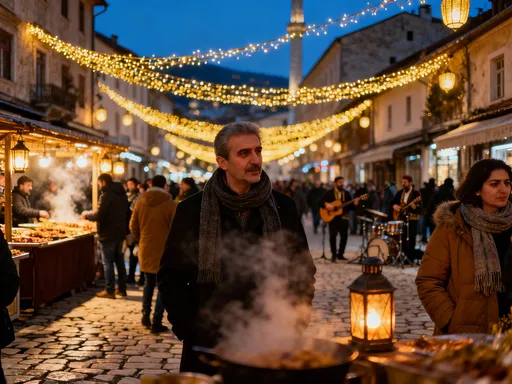
Even the markets transform at night. Charminar’s lanes, still busy after 10 PM, glow with neon signs and oil lamps. Families gather for late-night biryani at iconic spots like Paradise or Shadab, while juice vendors serve fresh sugarcane and kokum. The air hums with conversation, laughter, and the occasional honk of a scooter. This is Hyderabad at its most authentic—not staged for tourists, but lived in real time. For women traveling or living here, the city’s relative safety and late-night vibrancy make it a rare Indian metropolis where night is not a boundary, but an invitation.
Conclusion
Hyderabad’s cityscape is a conversation—one between eras, cultures, and dreams. It doesn’t demand attention like Mumbai or Delhi; it earns it slowly, through detail and depth. To experience it fully, you must look beyond the postcard sights. Walk. Observe. Feel the layers. In doing so, you don’t just see a city—you understand how cities can evolve without losing their soul. For women who value heritage, balance, and quiet strength, Hyderabad offers a rare urban experience: one where tradition and progress walk hand in hand, where every street tells a story, and where the future is built not by forgetting the past, but by honoring it. This is not just a destination. It’s a revelation.