You Won’t Believe How Much Art Hides in Almaty’s Streets
When I first stepped into Almaty, I expected mountains and apples—the city’s famous for them. But what truly blew my mind was the art woven into its commercial heart. From graffiti-covered alleys to designer boutiques with hand-painted facades, creativity pulses through every shopping district. This isn’t just retail—it’s a living gallery. If you think art only lives in museums, Almaty will flip your perspective hard. Here, the line between commerce and culture blurs in the most beautiful way. Streets become canvases, markets turn into exhibitions, and coffee shops double as intimate galleries. This is a city where artistic expression isn’t confined to frames or pedestals—it thrives in the rhythm of daily life, inviting everyone to pause, look, and feel inspired.
The Urban Canvas: Where Commerce Meets Creativity
Almaty’s commercial zones are not merely centers of shopping—they are immersive visual experiences that transform the everyday into the extraordinary. Unlike conventional urban districts dominated by generic storefronts and chain logos, Almaty’s streets pulse with color, texture, and narrative. Areas such as Zhetigen Street and the Arbat-style pedestrian promenade exemplify how public spaces can seamlessly integrate art into commerce. These are not isolated art installations tucked into corners; instead, creativity spills across entire blocks, turning building facades into sprawling murals and shop entrances into curated displays of local talent.
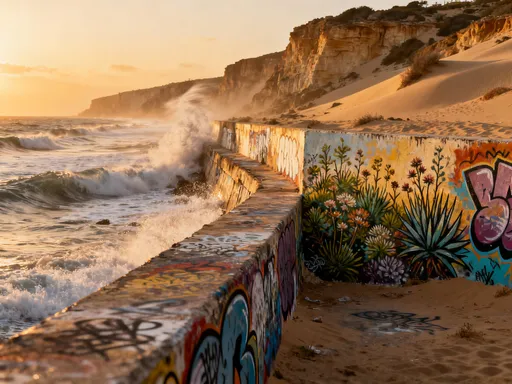
The fusion of commerce and artistry in Almaty is both intentional and organic. Murals depicting Kazakh heritage, abstract geometric patterns inspired by traditional textiles, and contemporary social commentary cover the sides of otherwise ordinary structures. Shopfronts feature hand-painted signage, custom metalwork, and seasonal designs that change with the mood of the city. Walking through these neighborhoods feels less like browsing for goods and more like flipping through the pages of a living art book—one where each turn reveals a new story, a new emotion, a new perspective. This approach transforms shopping from a transactional activity into a cultural journey.
What makes this integration so powerful is its accessibility. Unlike museum art, which often requires admission, preparation, or a specific visit, Almaty’s urban art is free, open, and embedded in the flow of daily life. Residents and visitors encounter it while running errands, meeting friends, or simply strolling through the city. The result is a democratization of art—no formal education or cultural capital needed. A grandmother buying bread at a corner store pauses to admire a mural of a soaring eagle, a symbol of Kazakh identity. A teenager snaps a photo of a vibrant graffiti piece for social media. These small moments add up to a citywide appreciation for visual storytelling.
The roots of this phenomenon lie in Almaty’s post-Soviet urban evolution. As the former capital of Soviet Kazakhstan, the city carried the architectural legacy of functionalist design—uniform, utilitarian, and often uninspired. In the decades following independence, Almaty began redefining its identity, and public art emerged as a powerful tool for cultural expression. City-supported initiatives, such as the Almaty Street Art Project, have provided legal walls, materials, and platforms for artists to create without fear of removal. Simultaneously, grassroots movements have flourished, with independent collectives organizing pop-up exhibitions, live painting events, and neighborhood beautification campaigns.
Artists and urban planners alike recognize that aesthetics influence well-being. Studies have shown that exposure to public art reduces stress, fosters community pride, and even encourages economic activity. In Almaty, this theory is lived reality. Shoppers linger longer in areas with murals. Cafes with artistic interiors report higher customer satisfaction. Even delivery drivers comment on how certain streets feel more welcoming because of the colors and imagery. The city has learned that beauty is not a luxury—it is a necessity, especially in commercial spaces where people spend so much of their time.
Arbat: More Than a Tourist Trail
Often compared to Moscow’s famous Arbat, Almaty’s pedestrian walkway along Zhambyl Zhabayev Street—commonly referred to as Arbat—is more than a tourist attraction. It is a microcosm of the city’s artistic soul. While shorter in length than its Russian counterpart, Almaty’s Arbat compensates with density, diversity, and authenticity. What appears at first glance to be a charming shopping lane reveals deeper layers upon closer inspection: a dynamic stage where art, performance, and commerce coexist in harmony.
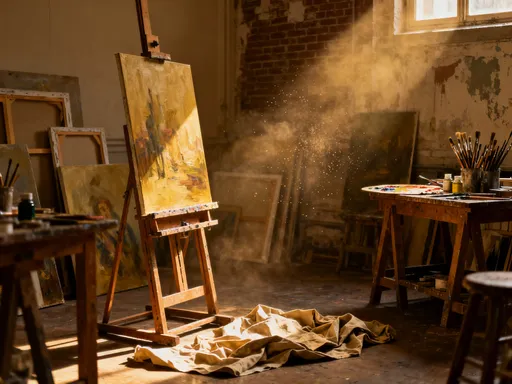
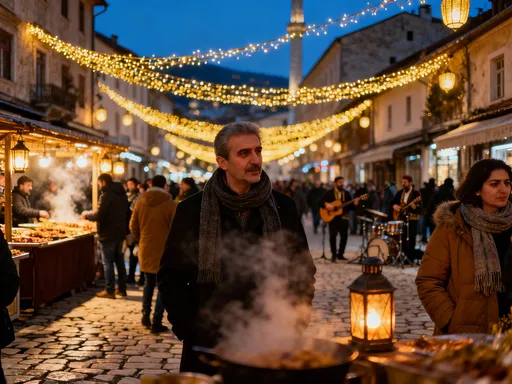
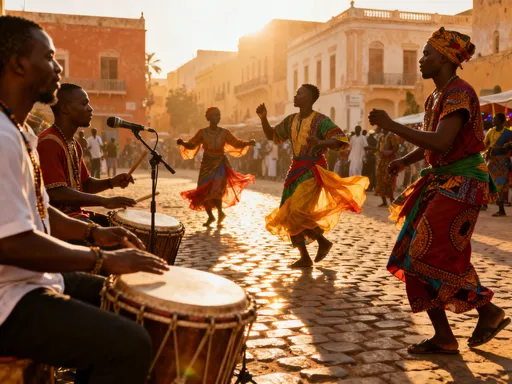
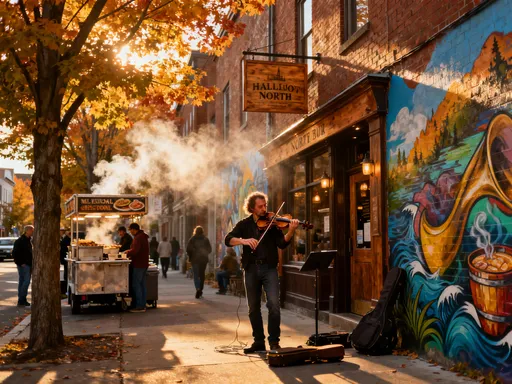
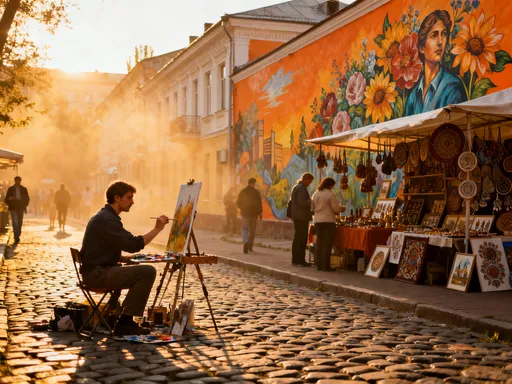
On weekends, the cobblestone path becomes a living exhibition. Local painters set up easels along the edges, selling original watercolors and oil paintings that capture mountain vistas, traditional yurts, and bustling city scenes. Musicians strum dombra and kobyz, filling the air with melodies that blend ancient steppe rhythms with modern influences. Pavement artists sketch quick portraits for a small fee, their hands moving with practiced precision. The atmosphere is not staged or commercialized—it feels spontaneous, rooted in genuine cultural exchange.
What sets Arbat apart is the element of participation. Visitors don’t just observe; they engage. A child watches in awe as a muralist adds final touches to a large-scale painting. A couple commissions a joint portrait from a street artist, laughing as the sketch takes shape. A traveler buys a hand-embroidered scarf from a vendor whose grandmother taught her the patterns. These interactions transform the street into a communal canvas, where every person contributes to the story.
The merchandise sold along Arbat is itself a form of art. Vendors display jewelry made from semi-precious stones native to the region, textiles featuring intricate alkee patterns, and ceramic pieces glazed in bold, earthy tones. These items are not mass-produced souvenirs; they are handmade, often one-of-a-kind creations that reflect both heritage and innovation. A silver pendant might incorporate traditional motifs with a minimalist modern design. A woven bag could combine wool from local sheep with contemporary color palettes. These objects carry soul, and buyers sense it.
Even the physical design of the street enhances the artistic experience. The cobblestones are laid in rhythmic patterns that echo traditional Kazakh carpet designs. Benches are crafted from reclaimed wood and iron, some engraved with poetic phrases in Kazakh and Russian. Lighting fixtures resemble stylized flowers, glowing softly as dusk falls. Every detail has been considered, not for aesthetics alone, but to create a cohesive sensory environment. The result is a space that feels alive, where art is not just displayed—it is lived.
Design Districts: The Rise of Art-Forward Retail
In Almaty’s newer commercial developments, particularly around Esentai Mall and the surrounding business district, a new model of retail is emerging—one where luxury and local artistry converge. These areas are not just shopping destinations; they are cultural destinations. High-end stores, boutique hotels, and premium cafes have adopted a philosophy that aesthetics are as important as the products they sell. The result is a shopping experience that feels curated, meaningful, and deeply immersive.
Inside Esentai Mall, the lobby doubles as an art gallery. Sculptures by Kazakh artists stand on rotating pedestals, changing every few months. A marble fountain is flanked by abstract metal installations that reflect light in shifting patterns. Even the flooring incorporates mosaic designs inspired by Silk Road motifs. Visitors don’t just pass through—they stop, observe, and photograph. The mall management partners with local art institutions to ensure that each exhibition is both visually compelling and culturally significant.
Beyond the main corridors, individual boutiques take creativity further. Some fashion stores commission artists to redesign their interiors seasonally, transforming walls into painted landscapes or covering ceilings with suspended fabric installations. A shoe boutique might feature a mural of migrating birds, symbolizing freedom and movement. A jewelry store could display its pieces inside glass cases shaped like ancient burial mounds, connecting modern design to historical roots. These spaces are not just places to buy—they are environments to experience.
Window displays in these districts tell stories rather than simply showcase products. One display might depict a nomadic family’s journey across the steppe, using mannequins, textiles, and projected light. Another could recreate a winter festival scene, complete with artificial snow and glowing lanterns. These mini-narratives invite passersby to pause and imagine, turning casual browsing into emotional engagement. Retailers understand that in a world saturated with digital advertising, physical spaces must offer something deeper—beauty, meaning, connection.
The driving force behind this trend is Almaty’s growing class of art-conscious consumers. These are educated, culturally engaged individuals—many of them women between 30 and 55—who value craftsmanship, authenticity, and visual harmony. They are not swayed solely by brand names; they care about the story behind the product, the hands that made it, the space where it is sold. Retailers respond by elevating their environments, knowing that ambiance influences perception and loyalty. A well-designed store doesn’t just attract customers—it builds a community.
Hidden Murals: The Street Art You’ll Miss Without a Guide
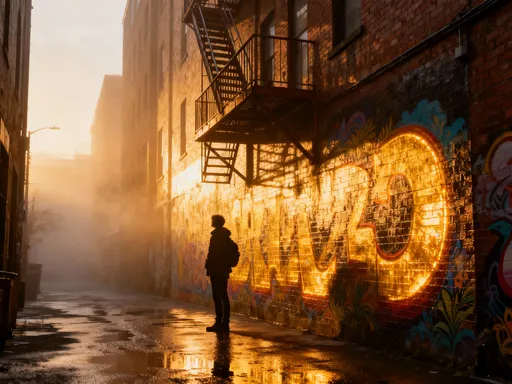
Beyond the polished avenues and tourist-frequented paths, Almaty’s true artistic gems often lie in plain sight—yet remain unseen by most. Venture into the side alleys near the Central Market, the underpasses near Abay Avenue, or the backstreets of the Alatau district, and you’ll discover a different kind of artistry. These are not commissioned murals with official approval, but bold, unapologetic expressions of identity, history, and resistance. They exist in liminal spaces—areas between functions, forgotten by urban planning, reclaimed by artists.
These hidden murals are not random graffiti. They are carefully composed narratives. One wall might depict a scene from the Epic of Manas, a cornerstone of Kazakh oral literature, rendered in vivid blues and golds. Another could show a modern city skyline intertwined with traditional ornaments, symbolizing the fusion of past and present. Some murals carry subtle social commentary—images of birds breaking through concrete, or children holding books instead of toys, suggesting hope and education as paths forward. Each piece is a conversation, not just decoration.
Artists like Rasul, Tolegen, and Aizhan have gained recognition for their work in these underground spaces. They often sign their pieces with small, discreet tags—initials, symbols, or stylized names tucked into corners. Their anonymity is strategic; while street art is increasingly accepted, not all works are legal. Yet their impact is undeniable. Locals point them out to friends. Photographers make pilgrimages to capture them. Some murals have even been preserved during building renovations, a testament to their cultural value.
There is no official map of these hidden artworks, but knowledge spreads through word of mouth, social media, and guided walking tours led by local art enthusiasts. These unofficial guides take visitors down narrow lanes, behind construction fences, and beneath railway bridges to reveal art that thrives in the margins. The experience is intimate, almost secretive, offering a sense of discovery that polished galleries cannot replicate.
What gives these murals their power is their rawness. They are not framed, lit, or protected. They weather rain, wind, and time. Some are already fading, others partially covered by newer layers of paint. Yet this impermanence adds to their meaning. They are not meant to last forever—they are meant to speak now, to reflect the pulse of the city at this moment. In these hidden corners, art is not a commodity; it is a voice.
Markets as Living Galleries
Almaty’s Green Bazaar is often described as a feast for the senses, and rightly so. The air is thick with the scent of dried apricots, fresh herbs, and smoked meats. The sounds of bargaining, chopping, and laughter fill the covered stalls. But beyond the sensory overload, the bazaar functions as one of the city’s most vibrant, if unintentional, art exhibitions. Every stall is a carefully composed arrangement of color, texture, and form—a living gallery of Central Asian design.
Walk through the textile section, and you’ll see rolls of silk and wool in deep reds, emerald greens, and sapphire blues. Embroidered tablecloths display intricate patterns passed down through generations. Hand-carved wooden spoons and bowls bear the marks of their makers, each piece unique. Ceramic dishes are glazed in earthy tones, some painted with floral motifs that echo the wildflowers of the Tian Shan mountains. These are not mass-produced items; they are handcrafted, often made in nearby villages, carrying the imprint of individual artisans.
The visual harmony of the market is striking. Vendors arrange their goods with an innate sense of composition. Pyramids of golden onions sit beside baskets of purple plums. Turquoise ceramic bowls are stacked next to apricot jam in glass jars, the colors complementing each other like a painter’s palette. Photographers and artists often visit not to buy, but to study—how light falls on a pile of nuts, how shadows play across a woven rug, how color combinations create emotional resonance.
Each vendor is, in essence, a curator of heritage. An elderly woman selling dried herbs might explain how each plant is gathered in the mountains during specific seasons. A man carving wooden spoons could demonstrate the traditional tools he uses, passed down from his father. These interactions add depth to the visual experience, transforming shopping into a cultural dialogue. The art is not separate from the commerce—it is embedded within it, inseparable from the people who create and sell it.
For visitors, the Green Bazaar offers a rare opportunity to connect with authentic Kazakh culture. Unlike souvenir shops that cater to tourists with generic trinkets, this market sells objects with history, meaning, and soul. A hand-embroidered cushion cover isn’t just a decorative item—it’s a piece of a family’s legacy. Buying it supports not a factory, but a craftswoman and her community. In this way, commerce becomes an act of preservation, a way to keep traditions alive in a rapidly modernizing world.
Art Cafés: Coffee with a Creative Kick
In Almaty, the café experience goes beyond coffee and conversation. Many of the city’s most popular cafés double as rotating art galleries, offering patrons a chance to sip lattes under the gaze of oil paintings or beside hand-sculpted ceramics. These spaces are not just places to relax—they are cultural hubs where art is accessible, affordable, and integrated into daily life.
From small independent cafés in residential neighborhoods to trendy spots in the city center, the model is consistent: walls are reserved for local artists. Paintings, photographs, and mixed-media works are displayed with price tags, inviting customers to not only admire but also purchase. Some cafés host monthly opening nights, complete with live music, artist talks, and wine tastings. These events draw crowds of art lovers, creatives, and curious locals, fostering a sense of community around artistic expression.
The atmosphere in these art cafés is distinct. It is calm, yet charged with inspiration. The lighting is soft, the music is subtle, and the décor is intentional. A café in the Al-Farabi district might feature abstract landscapes in deep indigo and gold, evoking the night sky over the steppes. Another near the Botanical Garden could display botanical illustrations of native plants, linking the interior to the surrounding nature. Even the furniture is often custom-made, with tables featuring inlaid designs or chairs upholstered in traditional fabrics.
Many of these cafés partner with art schools and emerging artists, providing a platform for young talent to gain exposure. A student’s first solo exhibition might take place on the walls of a cozy coffee shop. A recent graduate could sell their first painting to a regular customer. These spaces lower the barrier to entry in the art world, making it possible for creators to share their work without needing a formal gallery or agent. For patrons, buying a piece from a café feels personal, meaningful—a direct connection to the artist and their journey.
Drinking coffee in such an environment transforms the ordinary into the extraordinary. A morning ritual becomes a cultural experience. A business meeting gains depth. A solo visit turns into a moment of reflection. These cafés prove that art does not need grand institutions to matter. It can thrive in the spaces where people already gather, enhancing everyday life with beauty and meaning.
How to Experience Almaty’s Art-Commerce Blend Like a Local
To truly appreciate Almaty’s unique blend of art and commerce, one must slow down and engage with intention. Timing is essential. Visit Arbat on weekends, when the energy is highest and local artists are most active. Arrive early in the morning to avoid crowds and catch the soft light that enhances photo opportunities. Wear comfortable walking shoes—Almaty’s charm lies in its walkability, and you’ll cover more ground on foot than by car.
Bring cash, especially smaller denominations, for purchases at markets and from street vendors. Many stalls do not accept cards, and having cash allows for spontaneous buys—a hand-painted mug, a small embroidery, a portrait sketch. These small acquisitions are often the most memorable souvenirs, carrying the spirit of the city in tangible form.
Engage with shop owners and artists. Many are creators themselves and are happy to share the stories behind their work. Ask about materials, techniques, or inspirations. These conversations deepen the experience, turning transactions into connections. Respect the art—avoid treating murals as mere photo backdrops. Do not touch painted surfaces or obstruct public pathways for selfies. Appreciate the work as you would in a museum: with quiet admiration and care.
Most importantly, allow yourself to wander without a strict agenda. Some of Almaty’s best artistic discoveries happen by accident—a hidden mural around a corner, a pop-up exhibition in a courtyard, a musician playing in an unexpected place. Let the city guide you. Notice how people move, how spaces are used, how art integrates into the fabric of daily life. The true art of Almaty is not just in what you see, but in how it makes you feel—connected, inspired, and part of something beautiful.
Conclusion
Almaty teaches a powerful lesson: art does not need a frame, a ticket, or a formal setting to matter. In its commercial heart, creativity is not an afterthought—it is the foundation. From the murals that climb apartment walls to the textiles that drape market stalls, from the sculptures in luxury malls to the sketches sold on cobbled paths, art is alive in the everyday. This city proves that shopping districts can be soulful, that urban spaces can inspire without sacrificing function, and that beauty can be both accessible and meaningful.
The next time you travel, ask yourself: where does art live here? In Almaty, the answer is everywhere. It is painted on walls, stitched into fabric, served with coffee, and sung on street corners. It is not confined to galleries—it is woven into the rhythm of life. To visit Almaty is not just to see a destination; it is to adopt a mindset—one that values creativity, honors heritage, and finds wonder in the ordinary. In a world that often prioritizes speed and efficiency, Almaty reminds us to slow down, look closely, and let beauty lead the way.