You Won’t Believe These Athens Secrets I Discovered – Culture Like Never Before
Athens isn’t just ancient ruins and hot summers—it’s a living, breathing cultural adventure. I went expecting statues and sunburns, but found soulful neighborhoods, unexpected art, and traditions that hit me right in the heart. From hidden courtyards to family-run tavernas where time stands still, Athens surprised me at every turn. If you’re chasing real connection over checklist tourism, let me show you the side of Greece most travelers miss.
Why Athens Feels Alive, Not Just Historic
Athens does not rest on its past—it dances with it. While the Acropolis looms over the city like a timeless guardian, life unfolds beneath it in a rhythm that is both ancient and refreshingly modern. This is not a museum city frozen in marble; it is a Mediterranean capital where history breathes through daily rituals. The real magic lies not in seeing the past, but in feeling it pulse through the present. Morning coffee is sipped on stone benches where grandmothers have gathered for decades. Street vendors call out in melodic Greek, offering figs, herbs, and hand-rolled cigarettes. In Plaka, elderly men gather in shaded squares, their fingers flicking dice across backgammon boards, laughter rising like incense into the warm air.
What makes Athens uniquely vibrant is how seamlessly the old and new coexist. A 2,500-year-old temple shares a skyline with electric scooters and graffiti-covered walls. Yet, rather than clashing, these elements form a layered identity—complex, proud, and deeply human. Travelers who come only for the Parthenon often leave missing the soul of the city. But those who slow down, who wander without a map, begin to notice how history isn’t confined to monuments. It’s in the way a baker greets his customers by name, in the scent of jasmine drifting from a hidden courtyard, in the sound of Byzantine hymns drifting from an open church door at dusk.
Experiencing Athens as a living culture—rather than a checklist of sites—transforms a visit into something more meaningful. It shifts the traveler’s role from observer to participant. You are no longer just looking at history; you are stepping into its ongoing story. This emotional resonance, this sense of connection, is what stays with you long after the photos fade. The city teaches you to appreciate continuity—to see how traditions are not preserved behind glass, but carried forward in gestures, flavors, and rhythms passed from one generation to the next.
Skip the Crowd: Hidden Cultural Corners Beyond the Acropolis
While the Acropolis draws millions each year, the true heartbeat of Athens often beats in places few tourists bother to explore. Venture just a few steps off the main paths, and you’ll find neighborhoods where authenticity thrives and discovery feels personal. One such gem is Anafiotika, a quiet cluster of whitewashed houses tucked beneath the northern slope of the Acropolis. Built in the 19th century by migrant workers from the Cyclades, this village-like enclave feels more like a Greek island than part of a bustling capital. Narrow staircases wind between homes with blue doors and flower-filled balconies, and the only sounds are the rustle of leaves and the occasional chime of a windbell.
Another neighborhood worth exploring is Psyrri, once a gritty industrial district now reborn as a hub of creativity and local life. By day, it’s a maze of artisan workshops and quiet cafés; by night, it pulses with live music and the clink of glasses in intimate tavernas. Here, you might stumble upon a basement bar where rebetiko—the soulful, guitar-driven music of Greece’s urban underclass—plays late into the night. The walls are thick with history, the air rich with stories. Unlike the polished performances for tourists, this is music born of hardship and resilience, still sung with raw emotion by those who grew up with it.
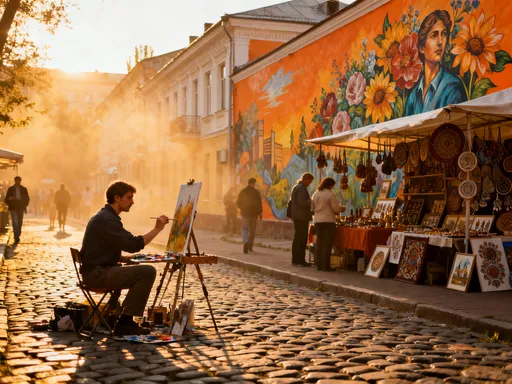
Monastiraki’s flea market offers another layer of cultural texture. More than just a place to bargain for souvenirs, it’s a living archive of Athenian life. Vintage cameras, Orthodox icons, hand-stitched linens, and stacks of old vinyl records spill from wooden crates. It’s easy to spend hours here, not shopping, but observing—the elderly vendor who has sold silverware in the same spot for 40 years, the young couple haggling over a 1960s film poster, the local artist flipping through a box of forgotten sketches. These moments of unplanned human connection are the quiet treasures of travel.
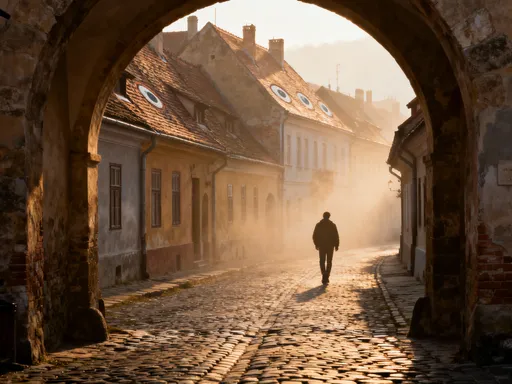
To truly enjoy these spaces, timing matters. Visit Anafiotika early in the morning when the light is soft and the streets are empty. Explore Psyrri in the late afternoon, when the golden sun warms the stone facades and locals begin to gather. Monastiraki is best experienced on a weekday morning, avoiding the weekend crowds that flood the area. These quieter moments allow for a deeper sense of place, where you’re not just passing through, but momentarily part of the fabric of the city.
Eat Like a Local, Not a Tourist
Food in Athens is not just sustenance—it’s a language of love, memory, and community. While souvlaki and tzatziki are delicious entry points, they barely scratch the surface of what Greek cuisine offers. To eat like a local is to embrace the rhythm of the Mediterranean table: slow, seasonal, and deeply social. The tradition of meze dining—small plates shared among friends over hours of conversation—is central to this experience. A typical evening might begin with marinated olives, creamy feta drizzled with thyme honey, and tender dolmades wrapped in vine leaves. Then come grilled sardines, smoky eggplant salad, and perhaps a plate of grilled octopus, tender and charred at the edges.
The best meals are often found in unassuming neighborhoods like Gazi, Exarchia, or Koukaki, where family-run tavernas change their menus daily based on what’s fresh at the market. These places don’t cater to tourists. There may be no English menu, no online reservation system, and certainly no neon signs. Instead, you’ll find handwritten chalkboards, wooden tables worn smooth by time, and owners who remember your drink order by the second visit. One such spot in Exarchia serves a simple dish of gigantes plaki—giant beans baked in tomato sauce with herbs—that tastes like something a grandmother would make on a rainy Sunday.
Knowing how to spot authenticity makes all the difference. Look for signs of local patronage: a bar packed with men in their 60s debating politics, a woman delivering a Tupperware container of food to a regular, or a dog napping under a table. Avoid restaurants near Syntagma Square with laminated menus in six languages and staff beckoning you from the doorway. These are almost always overpriced and underwhelming. Instead, follow the locals. If you see a small place with plastic chairs and a grill smoking on the sidewalk, step inside. The food may be simple, but it will be honest.
And don’t rush. Dining in Athens is not about efficiency. It’s about lingering. Order a glass of retsina or a local Assyrtiko wine and let the evening unfold. Ask the server what’s good today. Try something unfamiliar. Share stories. This is how connections are made—not just with the food, but with the people and the place. In these moments, you’re not just eating; you’re participating in a culture that values presence over productivity.
The Rhythm of Athenian Life: When to Go and How to Flow With It
To truly understand Athens, you must align yourself with its pace. This is not a city that rewards rushing. The Greek concept of *keras*—a spontaneous invitation to share a drink—captures the spirit of openness and generosity that defines daily life. Accepting such an offer, even from someone you’ve just met, can lead to unexpected conversations, laughter, and a deeper sense of belonging. These small gestures are not mere hospitality; they are threads in the social fabric, woven through trust and mutual respect.
Timing your visit is equally important. While summer brings long days and vibrant energy, July and August can be overwhelming—both in temperature and crowds. For a more comfortable and authentic experience, consider traveling in May or September. The weather is warm but gentle, the light is golden, and the city feels more relaxed. Locals return from island holidays in September, bringing back a renewed energy to cafés, markets, and music venues. These shoulder months offer the best balance of pleasant climate and cultural activity.
Daily rhythms in Athens also differ from those in many Western cities. Mornings begin slowly, with coffee enjoyed in quiet squares or at neighborhood kiosks. Workdays often extend into the evening, which means dinner doesn’t start until 9 or 10 p.m.—and may last for hours. This late dining culture is not about indulgence; it’s about connection. Families gather, friends reconnect, and the day unwinds over food and conversation. To embrace this, let go of rigid schedules. Allow yourself to sit longer, to say yes to an extra glass of wine, to follow a recommendation from a stranger.
Learning a few basic Greek phrases—*kalimera* (good morning), *efharisto* (thank you), *parakalo* (please)—goes a long way. Even a simple attempt shows respect and often earns a warm smile in return. Combine this with a willingness to slow down, and you’ll find that Athens reveals itself not through sightseeing, but through shared moments. Let the city guide you. Walk without a destination. Sit in a park and watch life unfold. Let the rhythm of Athens become your own.
Museums That Tell Real Stories, Not Just Artifacts
While the Acropolis Museum is a masterpiece of modern design and archaeological insight, Athens offers other museums that speak more intimately to the soul of Greek culture. The Benaki Museum, housed in a restored mansion near Syntagma, is one such treasure. Rather than focusing solely on grand statues or ancient coins, it presents Greece through the lens of everyday life. Exhibits include traditional costumes from different regions, hand-carved wooden cradles, and intricate lacework passed down through generations. Each object tells a story—not of kings or battles, but of mothers, farmers, and artisans whose quiet labor shaped the nation.
Another profound experience awaits at the Museum of Greek Folk Art, located in a quiet corner of Monastiraki. Here, you’ll find displays of household items, musical instruments, and religious icons that reveal the values and beliefs of ordinary Greeks over centuries. A wedding dress from 1890, stitched with red thread for protection, speaks volumes about love, superstition, and hope. A collection of *kemenches*—ancient string instruments—invites you to imagine the music that once filled village squares. These are not relics behind glass; they are echoes of lived experience.
What makes these museums special is their ability to humanize history. Seeing a child’s wooden toy from the 1800s or a fisherman’s net mended with care reminds us that people of the past were not so different from us. They loved, worried, celebrated, and dreamed. These museums encourage visitors to look beyond dates and dynasties and instead connect with the emotional truth of culture. They also serve as gateways to deeper exploration. After visiting the Benaki, for example, a walk through the nearby Pangrati neighborhood might reveal similar patterns in balconies, doorways, and family gatherings—living echoes of what you’ve just seen.
To make the most of these spaces, allow time for reflection. Sit on a bench inside the museum and observe. Read the descriptions not just for facts, but for feeling. Then carry that awareness into the streets. Let the museum be a lens, not an endpoint. In this way, you don’t just learn about Greek culture—you begin to feel it.
How to Connect With Culture Through Small Moments
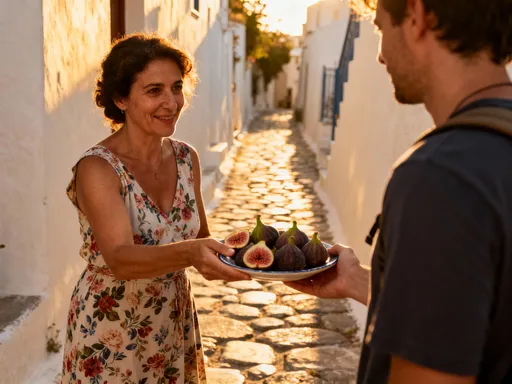
The most lasting memories from travel often come not from grand sights, but from fleeting, unplanned moments. In Athens, these micro-experiences are everywhere—if you’re willing to notice them. It might be the elderly woman who hands you a ripe fig from her basket on a hot afternoon, insisting you taste it. Or the sound of Byzantine chanting drifting from a small church as you pass by, pulling you inside for a moment of stillness. Perhaps it’s watching a potter in Plaka shape clay on a spinning wheel, his hands moving with a lifetime of practice, and sharing a smile when he offers you a small piece to hold.
These moments are not staged for tourists. They are real, unscripted fragments of daily life. And they form the soul of cultural travel. They remind us that connection doesn’t require grand gestures—only presence. Sitting longer at a café, asking the server about her hometown, saying yes to an invitation to join a local celebration—these small acts open doors. They transform you from a visitor into a guest.
Practicing mindfulness enhances these experiences. Put your phone away. Walk without headphones. Let yourself get lost. When you see a courtyard gate slightly open, pause and peek inside. You might glimpse a courtyard blooming with bougainvillea, an old man reading a newspaper, or a cat napping in a sunbeam. These are the quiet miracles of travel—the ones that don’t make it onto postcards but stay in your heart.
Children in Athens are especially welcoming. A simple smile or a shared piece of candy can spark a joyful exchange. In return, you might be invited to see a family’s garden or hear a folk song sung with pride. These interactions, brief as they may be, carry a depth of authenticity that no guided tour can replicate. They are reminders that culture is not something to be consumed, but something to be shared.
Traveling With Respect: Blending In, Not Standing Out
Respect is the foundation of meaningful travel. In Athens, small acts of courtesy go a long way in building trust and opening doors. Dressing modestly when visiting churches is not just a rule—it’s a sign of reverence. Shoulders and knees should be covered, and hats removed. This simple gesture shows that you value local customs, even as a visitor. Similarly, always ask before photographing people, especially the elderly or those engaged in prayer. A quick nod or a whispered *mporo?* (may I?) can turn a potential intrusion into a moment of connection.
Supporting small, family-run businesses is another way to travel with respect. When you buy from a local artisan, eat at a neighborhood taverna, or stay in a family-owned guesthouse, you contribute directly to the community. Your presence becomes part of a sustainable cycle, not a transaction. Avoid chain stores and mass-market tours that extract wealth without giving back. Instead, seek out experiences that are rooted in place—like a cooking class with a grandmother in her kitchen or a walk through the Central Market led by a vendor who knows every stall by heart.
Most importantly, approach Athens as a guest, not a consumer. This mindset shift changes everything. It encourages humility, curiosity, and gratitude. It reminds you that you are entering a world with its own rhythms, values, and stories. When you travel this way, you’re not just seeing Athens—you’re being welcomed by it.
Athens as a Feeling, Not a Photo
In the end, Athens is not a place you see—it’s a place you feel. The Parthenon is majestic, yes, but the true wonder lies in the quiet moments between the sights. It’s in the warmth of a shared meal, the sound of laughter in a backstreet café, the scent of oregano carried on the evening breeze. Cultural travel at its best doesn’t fill your camera roll; it fills your heart.
This journey is not about collecting destinations, but about deepening understanding. It’s about slowing down, saying yes to the unexpected, and allowing yourself to be surprised. Athens taught me that history is not behind us—it is all around us, alive in the way people live, eat, laugh, and remember.
So when you go, leave the checklist behind. Walk without a map. Talk to strangers. Taste what’s offered. Let the city reveal itself in its own time. Travel deeper, slower, and with an open heart. Because the real magic of Athens isn’t in the ruins—it’s in the living, breathing, endlessly beautiful culture that continues to thrive, one small moment at a time.