You Won’t Believe These Hidden Natural Wonders Near Agra
Most travelers only see the Taj Mahal, but I stumbled upon something far more surprising—untouched natural beauty just beyond the city. Think serene rivers, ancient forests, and bird-filled wetlands hiding in plain sight. Agra isn’t just marble and monuments; it’s alive with quiet jungles, green sanctuaries, and secret spots where nature thrives. This is the side of India few talk about, and it completely changed how I see one of the world’s most visited cities.
Beyond the Marble: Discovering Agra’s Natural Side
When travelers think of Agra, their minds immediately turn to the iconic Taj Mahal—its white domes glowing at sunrise, its symmetrical gardens reflecting centuries of craftsmanship. Yet, just beyond the stone pathways and crowded viewing platforms lies a quieter, greener dimension of this historic city. While millions come for the marble, few realize that Agra is also cradled by natural landscapes that offer peace, biodiversity, and a chance to reconnect with the earth. These spaces are not grand in the traditional sense, but they possess a subtle grandeur all their own—one found in rustling leaves, bird calls at dawn, and the gentle flow of river water under a morning sun.
Exploring Agra’s natural side enhances the travel experience in ways that complement its cultural offerings. After hours of walking through palaces and mausoles, the contrast of stepping into a leafy sanctuary or watching birds glide over still water brings a sense of balance. It allows visitors to slow down, breathe deeply, and appreciate a different rhythm of life. These green spaces are not merely decorative; they are vital ecosystems that support wildlife, purify the air, and provide mental respite from the city’s constant motion. For families, couples, and solo travelers alike, especially women who often seek meaningful and restorative experiences, these natural escapes offer a deeper kind of enrichment—one rooted in calm and connection.
What makes these areas even more compelling is their accessibility. Many are within a short drive from the city center, requiring no special permits or strenuous hikes. They are safe, well-maintained, and increasingly recognized by local guides and eco-tourism initiatives. The shift toward appreciating nature alongside heritage reflects a growing awareness: true travel fulfillment comes not just from seeing famous landmarks, but from feeling present in a place, understanding its rhythms, and respecting its living environment. Agra, in this light, becomes more than a stop on a tourist itinerary—it becomes a destination with layers waiting to be discovered.
The Yamuna River’s Quiet Beauty
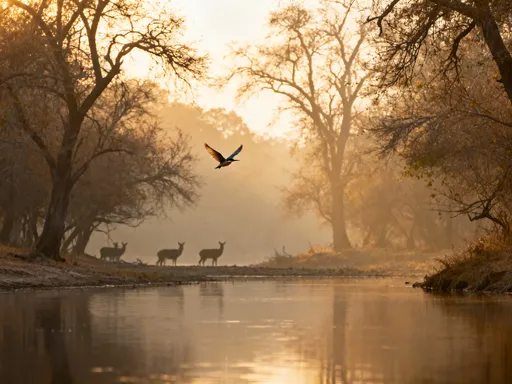
The Yamuna River, often mentioned in connection with pollution and urban strain, holds a quieter, more peaceful side that many overlook. While certain stretches near industrial zones face environmental challenges, other parts—particularly upstream and near less-visited ghats—retain a serene beauty that is both calming and culturally enriching. Along these quieter banks, the river moves with a gentle current, reflecting the early sun in golden ripples and offering moments of stillness amid the bustle of northern India. It is here, in the early hours of the morning, that the true spirit of the river reveals itself.
Visitors who rise before dawn can witness local life unfolding along the water’s edge: fishermen casting nets, women performing quiet rituals, and birds skimming the surface in search of breakfast. The air is cooler, the light soft, and the sounds of the city still distant. These moments provide a rare opportunity to experience India in a contemplative mood—one that invites reflection rather than constant movement. The ghats near Etmadpur and Raja Ki Mandi, though not widely promoted, offer safe and respectful vantage points for observing the river without intrusion.
To make the most of a riverside visit, timing is essential. Early morning, between 5:30 and 7:00 a.m., is ideal, especially during the cooler months from October to March. During this time, temperatures are comfortable, and wildlife activity peaks. Visitors should dress modestly, avoid littering, and refrain from loud conversations to honor local customs and preserve the tranquility. Carrying a reusable water bottle, a light scarf for sun protection, and a small notebook for reflections can enhance the experience. While swimming is not advised due to water quality concerns, simply sitting by the river, listening to its flow, and watching the day begin can be profoundly restorative.
The Yamuna’s quieter stretches remind us that even in places marked by environmental stress, beauty persists. With growing efforts to restore the river’s health, these pockets of serenity may expand in the coming years. For now, they serve as gentle invitations to pause, observe, and appreciate the resilience of nature—even in the heart of a bustling city.
Keetham Lake and the Birdwatcher’s Paradise
Nestled within the Sur Sarovar Bird Sanctuary, Keetham Lake is one of Agra’s best-kept natural secrets. Just a 30- to 45-minute drive from the Taj Mahal, this tranquil lake is a haven for birdlife and a peaceful retreat for visitors seeking a break from urban intensity. Recognized as a protected area under India’s wildlife conservation efforts, the sanctuary hosts over 150 species of birds, including both resident and migratory varieties that arrive from as far as Siberia and Central Asia during the winter months. For nature lovers, especially those who find joy in quiet observation and gentle exploration, Keetham Lake offers a deeply satisfying experience.
Walking along the well-maintained trails that circle the lake, visitors are greeted by the calls of kingfishers, the graceful flight of egrets, and the occasional sight of a black stork standing motionless in the shallows. During peak season, from November to February, the lake becomes a living canvas of color and movement—white pelicans glide overhead, purple swamphens dart through reeds, and painted storks wade with deliberate grace. Even those new to birdwatching can appreciate the diversity on display, aided by informative signage and the occasional presence of local naturalists who volunteer their time to educate visitors.
Boating is available in non-motorized paddle boats, allowing guests to glide quietly across the water and get closer to the shoreline without disturbing the wildlife. These boats are operated by trained staff and follow strict environmental guidelines to minimize impact. Families often enjoy these calm rides, especially in the late afternoon when the light softens and the air carries the scent of lotus blossoms. Binoculars are recommended, but not required—many birds are visible from the viewing platforms and shaded rest areas along the perimeter.
The surrounding dry deciduous forest adds to the sanctuary’s ecological richness, providing shelter for insects, reptiles, and small mammals. Interpretive panels explain the importance of wetland ecosystems and the role they play in water purification, climate regulation, and biodiversity support. For mothers and caregivers, this space offers not just relaxation but also an opportunity to teach children about environmental stewardship in a safe, engaging setting. Keetham Lake is more than a scenic spot—it is a living classroom and a sanctuary for the soul.
Wildlife Escapes: From Nilgai to Golden Jackals
While Agra is celebrated for its Mughal architecture, few expect to encounter wild animals just minutes from its historic core. Yet, in the green belts and protected fringes surrounding sites like Sur Sarovar and the Yamuna floodplains, wildlife thrives in surprising ways. These areas serve as ecological corridors, allowing animals to move between habitats while remaining close enough to the city to be accessible for quiet observation. Among the most commonly seen mammals are the nilgai, or blue bull—the largest Asian antelope—often spotted grazing at dawn in open fields near the sanctuary borders.
Other residents include spotted deer, which move gracefully through the underbrush, and the elusive jungle cat, whose presence is often detected only by fleeting glimpses or tracks in the dust. At dusk, the golden jackal—a shy but intelligent predator—emerges to patrol the edges of the forest, its sharp eyes scanning for movement. Though rarely seen in large numbers, these animals are part of a delicate balance that sustains the region’s natural health. Their presence is a sign that, despite urban expansion, pockets of wilderness still endure.
Observing wildlife in these areas requires patience, silence, and respect. Visitors are encouraged to maintain a safe distance, avoid feeding animals, and refrain from using flash photography, which can startle them. Guided nature walks, offered by local eco-tourism groups, provide a structured way to explore these zones safely while learning about animal behavior and conservation efforts. These walks are particularly well-suited for women traveling alone or with family, as they are led by experienced, vetted guides and follow established routes.
The experience of seeing a nilgai stand silhouetted against the evening sky or hearing the distant call of a jackal adds an unexpected dimension to a trip centered on history and culture. It reminds us that India’s richness lies not only in its monuments but also in its living landscapes. For those who value both safety and authenticity, these wildlife encounters offer a rare blend of adventure and serenity—one that deepens the connection to place without requiring extreme conditions or high risk.
Sikandra’s Green Perimeter and Akbar’s Legacy
Sikandra, best known as the site of Emperor Akbar’s grand tomb, holds another, quieter legacy—the harmony between architecture and nature. While most visitors focus on the red sandstone gateway and intricate carvings within the mausoleum complex, few pay attention to the expansive green buffer zones that surround it. These landscaped gardens, tree-lined avenues, and native plantings form a semi-natural corridor that supports birds, butterflies, and pollinators, creating a micro-habitat in the midst of urban development.
The Mughal tradition of garden design emphasized balance, symmetry, and the integration of water, flora, and architecture. At Sikandra, this philosophy extends beyond aesthetics into ecological function. The shaded pathways, once intended for royal contemplation, now serve as cool retreats for visitors and safe passage for wildlife. Peacocks, often seen strutting through the lawns, are a living reminder of the area’s historical connection to nature. Local bird species, including parakeets, mynas, and sunbirds, thrive in the canopy of neem, peepal, and banyan trees that line the perimeter.
What makes Sikandra’s green spaces especially valuable is their role as an urban lung. In a city where air quality can be a concern, these tree-rich zones help filter pollutants, reduce heat, and provide oxygen. They also offer a peaceful alternative to the crowded Taj Mahal, allowing families to stroll, rest, or enjoy a packed lunch in a shaded pavilion without the pressure of ticking off tourist boxes. For women who seek both cultural enrichment and personal well-being, this blend of history and nature is particularly meaningful.
Preserving these green areas is not just about aesthetics—it is an act of environmental responsibility. As Agra grows, maintaining such buffers ensures that future generations can enjoy both its heritage and its natural gifts. The legacy of Akbar, known for his wisdom and inclusiveness, finds a modern echo in these spaces: they are open, accessible, and nurturing to all who enter.
Practical Tips for Exploring Agra’s Hidden Nature
Exploring Agra’s natural wonders is both rewarding and manageable with a bit of planning. The best time to visit these sites is during the cooler months, from October to March, when temperatures range from mild to warm and the air feels fresh. Early mornings, between 6:00 and 8:30 a.m., are ideal for birdwatching, riverside walks, and nature trails, as animals are most active and the sun is not yet intense. Late afternoons, especially at Keetham Lake, offer beautiful lighting for photography and a pleasant breeze.
Transportation options include hiring a private taxi for the day, which allows flexibility and comfort, especially for families or those unfamiliar with the area. Alternatively, eco-friendly bike rentals are available through select tour operators and provide a sustainable way to explore green belts at a leisurely pace. Walking is feasible within enclosed areas like Sur Sarovar and Sikandra’s gardens, where pathways are well-marked and safe.
When packing, prioritize comfort and practicality. Lightweight, breathable clothing in neutral colors helps visitors blend into natural surroundings and stay cool. A wide-brimmed hat, sunglasses, and sunscreen are essential, as are closed-toe walking shoes for uneven terrain. Carrying a refillable water bottle supports hydration and reduces plastic waste. For birdwatching and wildlife viewing, a pair of compact binoculars enhances the experience, while a small field guide or birding app can help identify species.
Environmental responsibility is key. Visitors should avoid littering, stay on designated paths, and refrain from picking plants or disturbing animals. Respecting local customs—such as dressing modestly near religious or cultural sites—ensures a positive experience for everyone. It is also wise to carry a basic first-aid kit, especially when traveling with children, and to inform someone of your itinerary when visiting low-footfall areas.
Combining nature visits with major sightseeing is entirely feasible. For example, a morning at Keetham Lake can be followed by lunch and an afternoon at the Taj Mahal. Similarly, a visit to Sikandra can include both the tomb and its surrounding greenery. This balanced approach allows travelers to experience Agra in its fullness—historical, cultural, and natural—without feeling rushed or overwhelmed.
Why This Side of Agra Matters
Discovering Agra’s hidden natural wonders transforms the way we understand this world-famous city. It shifts the narrative from one of stone and symmetry to one that includes rivers, forests, birds, and quiet moments under the sky. These green spaces are not distractions from the main attractions—they are essential complements that enrich the travel experience and deepen our connection to place. For women who often seek meaningful, restorative journeys, these natural sanctuaries offer a rare combination of peace, beauty, and purpose.
Preserving these areas is vital. As cities expand and tourism grows, the pressure on natural habitats increases. Yet, places like Keetham Lake, the Yamuna’s quieter banks, and Sikandra’s green corridors demonstrate that heritage and habitat can coexist. They remind us that sustainability is not just a global ideal but a local practice—one that begins with awareness, respect, and small acts of care.
Travelers who choose to explore these hidden corners do more than enjoy a scenic walk—they support a vision of tourism that values balance, mindfulness, and environmental stewardship. By sharing these experiences, they help shift perceptions and encourage others to look beyond the obvious. In doing so, they contribute to a future where Agra is celebrated not only for the Taj Mahal but also for the living, breathing nature that surrounds it.
Agra, in all its complexity, invites us to see with new eyes. It challenges the notion that great cities must be defined solely by monuments. Instead, it offers a more holistic view—one where history and nature, culture and ecology, walk hand in hand. And in that balance, we find not just a richer travel experience, but a deeper understanding of what it means to truly belong to the earth.