You Won’t Believe These Hidden Art Gems in The Hague
I never thought The Hague would be such a quiet powerhouse for art. Away from the tourist crowds, tucked behind unassuming streets and quiet courtyards, I discovered intimate galleries and private studios that felt like secrets meant just for me. This isn’t about grand museums—it’s about the soul of creativity thriving in unexpected corners. If you’re craving authentic, personal art experiences, The Hague’s private art spaces will leave you breathless.
The Quiet Allure of The Hague’s Art Scene
The Hague, often overshadowed by Amsterdam’s bold cultural presence or Rotterdam’s avant-garde architecture, holds a more subtle, enduring charm. It is a city where diplomacy meets design, where international institutions coexist with local creativity. Unlike the bustling galleries of larger Dutch cities, The Hague nurtures a more contemplative art culture—one that values intimacy, craftsmanship, and quiet innovation. This atmosphere is not accidental; it is rooted in the city’s unique blend of historical depth and cosmopolitan openness.
Historically, The Hague has long served as the political and administrative heart of the Netherlands. Yet, beneath its formal exterior lies a vibrant artistic undercurrent. The city’s stately 17th-century buildings, tree-lined canals, and leafy neighborhoods provide a serene backdrop for creative expression. Because The Hague is not as saturated with mass tourism as Amsterdam, artists here enjoy space—both physical and psychological—to experiment without the pressure of commercialization. This freedom has allowed private art spaces to flourish in a way that feels organic and deeply personal.
What makes The Hague especially fertile ground for intimate art experiences is its architectural diversity. Old churches, repurposed civic buildings, and hidden courtyards offer unexpected venues for exhibitions. These spaces are not designed for spectacle but for connection. Visitors often stumble upon them by chance, drawn in by a hand-painted sign or a glimpse of color through an open door. The city’s art scene thrives on discovery, rewarding those who take the time to wander beyond the main boulevards.
Moreover, The Hague has a long-standing tradition of supporting the arts through municipal programs and cultural foundations. Grants and residencies are available to local artists, enabling them to maintain studios and host small-scale exhibitions. This institutional support, combined with a close-knit community of creators, fosters a sense of continuity and authenticity. In a world where art is increasingly mediated by algorithms and global markets, The Hague offers a refreshing return to human-scale creativity.
Private Galleries: Where Art Feels Personal
Private galleries in The Hague differ significantly from large, state-funded institutions. They are often run by artists, curators, or passionate collectors who prioritize expression over profit. These spaces operate on a smaller scale, hosting rotating exhibitions that reflect deeply personal visions. Because they are not beholden to commercial galleries or market trends, they can take risks—showcasing experimental work, emerging artists, or unconventional mediums that might not find a home elsewhere.
One standout example is Kunstkerk Grote Kerk, a former Protestant church transformed into a contemporary art venue. The soaring ceilings and stained-glass windows create a solemn yet inspiring atmosphere, where light plays a central role in how art is experienced. Exhibitions here often explore themes of identity, memory, and transformation—subjects that resonate powerfully within a sacred space. Visitors move quietly through the nave, engaging with installations that invite reflection rather than passive viewing.
Another notable space is the art program at Korzo Theater, which integrates visual art into its performing arts environment. While primarily known for dance and theater, Korzo regularly hosts site-specific installations in its lobby, stairwells, and even dressing rooms. These works are carefully curated to complement the energy of live performance, creating a multidimensional cultural experience. The intimacy of these displays—often viewable only during intermissions or special openings—adds to their exclusivity.
What sets private galleries apart is the opportunity for direct engagement. In many cases, the artist or curator is present during visits, offering insights into the work’s meaning, technique, or inspiration. This personal interaction transforms viewing into dialogue. A painting is no longer just an object on a wall; it becomes part of a shared conversation. For visitors, especially those seeking deeper connections with art, this level of access is invaluable.
These galleries also tend to focus on thematic coherence rather than breadth. An exhibition might explore a single idea—such as the passage of time, urban solitude, or the interplay of light and shadow—through multiple media. This focused approach allows for a more immersive experience, encouraging visitors to slow down and absorb the nuances of each piece. In an age of information overload, such intentionality feels like a gift.
Artist Studios Open to the Public: A Behind-the-Scenes Look
One of the most rewarding ways to experience The Hague’s art scene is by visiting artist studios during open house events. The annual Haagse Kunstkring Open Ateliers is a prime opportunity, when dozens of local artists throw open their doors to the public. These visits offer a rare glimpse into the creative process—unfiltered, uncurated, and deeply human.
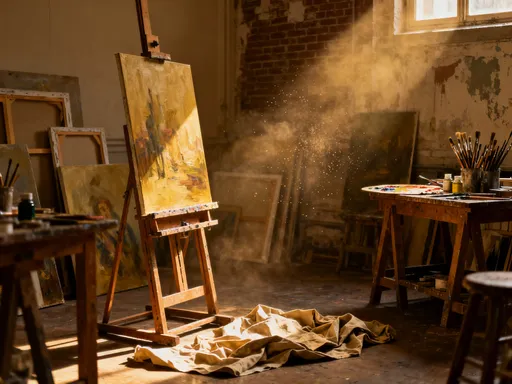
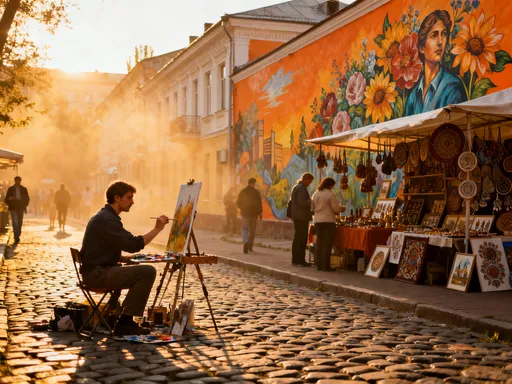
Imagine climbing a narrow staircase to a sunlit attic where a painter works on a large canvas, brushes scattered across a wooden table, color swatches pinned to the wall. Tubes of oil paint are squeezed dry, and the air carries the faint scent of turpentine. This is not a polished gallery; it is a living workspace where ideas take shape. Seeing a half-finished piece—perhaps a portrait with only the eyes complete—adds a layer of intimacy that finished works in museums rarely convey.
Studio visits demystify the artistic process. Visitors witness the tools of the trade: chisels for sculptors, looms for textile artists, digital tablets for illustrators. They see sketches, rejected drafts, and experimental materials—evidence of trial and error. This behind-the-scenes view reminds us that creativity is not magic; it is labor, patience, and persistence. For families and older adults alike, this realism can be both comforting and inspiring.
Many artists welcome questions and are eager to share their journeys. A ceramicist might explain how she sources clay from local riverbeds, or a printmaker might demonstrate how he layers ink to achieve depth. These interactions foster a sense of trust and mutual respect. Children listen wide-eyed as an artist describes how a childhood memory inspired a sculpture; adults nod in recognition as a painter speaks of balancing art with daily responsibilities.
Some studios are tucked into residential neighborhoods, blending seamlessly with everyday life. In the Schilderswijk district, for instance, artists work in converted garages or ground-floor apartments. Their presence enriches the community, turning quiet streets into informal cultural corridors. During open studio days, neighbors join tourists in exploring these creative pockets, creating a shared sense of pride and discovery.
Hidden Courtyards and Unexpected Spaces
The Hague excels at transforming overlooked spaces into artistic destinations. Behind unmarked doors and ivy-covered walls lie courtyards that serve as open-air galleries, performance spaces, and community hubs. These hidden enclaves are not advertised on tourist maps, yet they pulse with creative energy.
One such place is the Hof van Nederland, a historic complex that once served as a noble residence and now functions as a cultural center. Its central courtyard, surrounded by arched walkways, hosts temporary art installations, poetry readings, and small concerts. In spring, cherry blossoms frame the space, creating a dreamlike setting for a sculpture made of reclaimed wood. In winter, string lights and warm lanterns invite visitors to linger despite the cold. The atmosphere is informal, welcoming, and deeply communal.
Street art also thrives in these tucked-away corners. While The Hague is not known for graffiti in the way some cities are, it embraces subtle, story-driven murals. In the Transvaal neighborhood, for example, a series of wall paintings depict the area’s multicultural history—children playing, market scenes, elders sharing stories. These works are not acts of rebellion but acts of belonging, affirming the identity of residents and inviting passersby to pause and reflect.
Religious and civic buildings are frequently repurposed for artistic use. An old chapel might host a photography exhibit on silence and solitude; a former schoolhouse could become a pop-up gallery for textile art. These transformations honor the past while breathing new life into forgotten spaces. The contrast between historical architecture and contemporary art creates a powerful dialogue—one that speaks to continuity and change.
Discovering these spaces often feels serendipitous. A woman walking her dog turns a corner and stops in front of a mural she’s never noticed before. A couple exploring on a rainy afternoon finds a tiny gallery in a converted bookstore. These moments of surprise are central to The Hague’s charm. They remind us that beauty and meaning are not always found in planned itineraries but in the quiet act of wandering with open eyes.
The Role of Local Art Initiatives and Collectives
Beneath the surface of The Hague’s art scene lies a network of grassroots initiatives that sustain creativity outside the mainstream. Artist cooperatives, nonprofit collectives, and city-supported programs provide crucial infrastructure for those working independently. These groups offer studio space, funding, exhibition opportunities, and mentorship—resources that are especially valuable for emerging or mid-career artists.
One inspiring example is Kunstfort bij Vijfhuizen, located just a short train ride from The Hague. This former military fort, built in the 19th century, has been transformed into an experimental art space. Surrounded by water and accessible only by footbridge, it feels isolated and contemplative. Artists-in-residence live and work on-site for weeks at a time, creating site-specific installations that respond to the fort’s history and atmosphere. Visitors arrive by appointment, experiencing the art in near-silence, broken only by the sound of wind and water.
Within The Hague itself, collectives like Platform30 organize collaborative projects that connect artists across disciplines. A recent exhibition brought together painters, musicians, and poets to explore the theme of “home.” The result was a multisensory experience—visual art on the walls, live readings in the corners, and a soundscape playing softly in the background. These interdisciplinary efforts reflect the city’s holistic approach to culture, where boundaries between forms are fluid.
Local government also plays a supportive role. The Hague’s Cultural Department funds small grants for neighborhood-based art projects, ensuring that creativity is not confined to the city center. A mural in a housing complex, a sculpture garden in a public park, or a poetry bench along a canal—these small interventions enrich daily life and make art accessible to all. For families and older residents, such proximity to creativity fosters a sense of inclusion and pride.
These initiatives also help preserve artistic diversity. In an era when global art markets favor certain styles and identities, local collectives ensure that a wide range of voices are heard. A retired teacher might exhibit her watercolors alongside a young immigrant’s digital art. A veteran sculptor shares studio space with a textile artist experimenting with sustainable materials. This inclusivity strengthens the cultural fabric of the city, making it resilient and dynamic.
How to Find and Visit These Spaces (Practical Tips)
Exploring The Hague’s private art spaces requires a bit of planning—but not too much. The best experiences often come from a balance of research and spontaneity. Start by consulting the city’s official cultural calendar, which lists upcoming exhibitions, open studio days, and art walks. The Hague Tourist Office also publishes seasonal brochures highlighting lesser-known venues.
Following independent galleries and artist collectives on social media is another effective strategy. Many spaces announce pop-up exhibitions, last-minute openings, or special events only through Instagram or Facebook. By subscribing to a few key accounts, visitors can stay informed about opportunities that aren’t widely advertised. Hashtags like #DenHaagArt or #HaagseKunst help track local activity.
The Museumkaart (Museum Card) is particularly useful for accessing smaller institutions. While it primarily covers major museums, it also includes select private galleries and cultural centers. Purchasing the card at the beginning of a trip can lead to unexpected discoveries and cost savings. It also signals to staff that you are a serious art visitor, sometimes resulting in personalized recommendations or behind-the-scenes access.
Guided tours focused on offbeat art trails are another excellent option. Local organizations offer themed walks—such as “Art in Hidden Courtyards” or “Street Art of Schilderswijk”—led by knowledgeable guides who share historical context and personal anecdotes. These tours are often small in size, allowing for meaningful conversation and unhurried viewing. For older adults or those with mobility concerns, some operators provide seated breaks and accessible routes.
Timing is essential. Many private galleries and studios are only open on weekends, during specific events, or by appointment. Calling ahead or checking websites ensures that visits are not in vain. Some spaces, like artist cooperatives, welcome drop-ins during open hours but appreciate advance notice for group visits. Respecting these protocols helps maintain the intimate, low-pressure environment that makes these places special.
Why These Experiences Matter in a Digital Age
In a world dominated by digital screens and instant content, the value of slow, personal art encounters cannot be overstated. Scrolling through images online offers convenience but lacks depth. A painting viewed on a phone is reduced to a thumbnail, stripped of texture, scale, and presence. In contrast, standing before an original artwork—feeling its brushstrokes, noticing the way light catches a raised edge—creates a visceral, unforgettable experience.
Private art spaces in The Hague offer more than aesthetic pleasure; they foster connection. They connect us to the artist’s hand, to the history of a building, to the rhythm of a neighborhood. They remind us that culture is not a product but a process—a living dialogue between creator and viewer, past and present, individual and community. For women in their 30s to 50s, many of whom balance caregiving, work, and personal growth, these moments of quiet reflection can be deeply restorative.
Moreover, such experiences cultivate empathy. When we listen to an artist speak about her inspiration—perhaps a lost parent, a childhood home, a moment of clarity—we see the world through her eyes. We recognize shared emotions beneath different surfaces. In an age of polarization and isolation, this emotional resonance is a quiet act of healing.
The Hague’s hidden art gems also challenge the notion that meaningful travel requires grand destinations. You don’t need to queue for hours or pay high admission fees to encounter beauty. Sometimes, the most powerful experiences come from turning down an unfamiliar street, stepping into a quiet courtyard, and allowing yourself to be surprised. These moments of discovery nourish the soul in ways that curated itineraries often cannot.
Ultimately, seeking out private art spaces is an act of intention. It says that we value authenticity over spectacle, depth over speed, and human connection over convenience. In The Hague, this philosophy is not just embraced—it is lived. For travelers willing to look beyond the obvious, the city offers a quiet revelation: that true art, like true connection, often waits in the places no one thinks to look.