You Won’t Believe What Happens at Night in Sarajevo During Festival Season
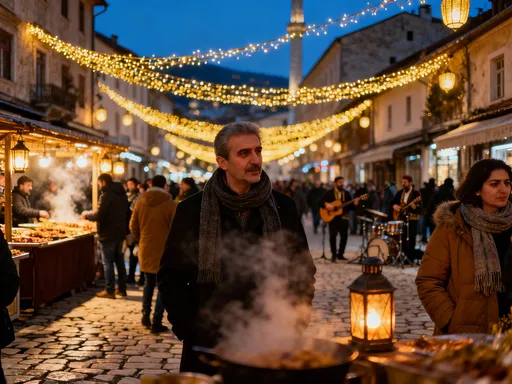
Sarajevo pulses with energy when the festivals roll in. I wandered its streets during one magical week and found myself swept up in music spilling from old stone courtyards, the scent of grilled ćevapi in the air, and crowds laughing under strings of golden lights. It’s not just about the events—it’s how the city transforms, how strangers become friends, and how every corner tells a story. This is festival life in Sarajevo: raw, real, and absolutely unforgettable.
The Heartbeat of the City: Sarajevo’s Festival Spirit
Sarajevo is a city shaped by centuries of cultural convergence, where East meets West, and history echoes in every cobblestone and minaret. This layered identity comes alive most vividly during its festival season, when the urban landscape becomes a stage for celebration, remembrance, and renewal. Festivals here are not just entertainment—they are expressions of resilience, creativity, and community. From the Ottoman-era bazaars to Austro-Hungarian boulevards, the city’s diverse heritage provides a rich backdrop for events that honor tradition while embracing modernity.
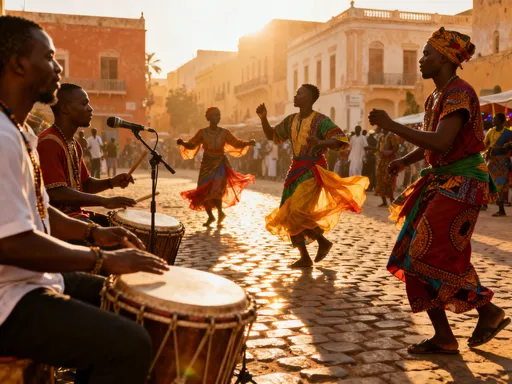
During major festivals such as the Sarajevo Film Festival and Baščaršija Nights, the city undergoes a nightly transformation. As dusk falls, the old town glows with lanterns strung across narrow alleys, and open-air stages fill with the sounds of sevdah music, jazz, and contemporary performances. The atmosphere is electric yet intimate—crowds gather not just to watch but to participate, clapping along, dancing in circles, or sharing food with strangers. Public squares like Ferhadija and Sebilj become communal living rooms, where laughter and conversation flow as freely as rakija.
What sets Sarajevo’s festival experience apart is its authenticity. Unlike curated tourist spectacles, these events emerge organically from local life. Residents open their homes, cafes extend their terraces into the streets, and artists perform not for fame but for connection. For visitors, this means more than sightseeing—it means immersion. To walk through Sarajevo at night during festival season is to feel welcomed into a shared moment of joy, one that transcends language and background.
Choosing the Right Festival: A Traveler’s Guide to Timing
One of the greatest advantages of visiting Sarajevo during festival season is the variety of events available throughout the year, each offering a distinct flavor of the city’s culture. The Sarajevo Film Festival, held every August, is the most internationally recognized, drawing filmmakers, actors, and cinema lovers from across Europe and beyond. With screenings in open-air venues and historic theaters, it transforms the city into a cinematic playground. For film enthusiasts, this is an unparalleled opportunity to watch award-winning features under the stars, followed by lively discussions with directors and critics.
Equally compelling is Baščaršija Nights, a summer celebration that revives traditional music, dance, and crafts in the heart of the old bazaar. Lasting ten days in July, this festival emphasizes cultural preservation, with performances of folk ensembles, calligraphy workshops, and storytelling sessions in centuries-old courtyards. It’s ideal for travelers interested in history and handmade artistry, offering a slower, more reflective pace than the cinematic buzz of the film festival.
Food lovers should consider planning their trip around the Sarajevo Gastro Festival, typically held in September. This culinary event highlights local ingredients, family-run kitchens, and regional specialties like smoked cheeses from Herzegovina or river trout from the Neretva Valley. Participating restaurants offer special tasting menus, while outdoor markets let visitors sample everything from honeyed baklava to grilled pljeskavica served in fresh somun bread.
For those who prefer music, the Sarajevo Jazz Festival in October brings world-class musicians to intimate clubs and concert halls. The city’s youthful energy shines during this event, with late-night jam sessions and impromptu performances adding to the spontaneity. Regardless of interest, timing your visit to align with a specific festival enhances the depth of your experience. However, it also requires planning—accommodations fill quickly, and popular events often sell out weeks in advance. Booking early, especially for August and July, ensures access to central locations and preferred events.
Beyond the Main Stage: Hidden Moments That Define the Festivals
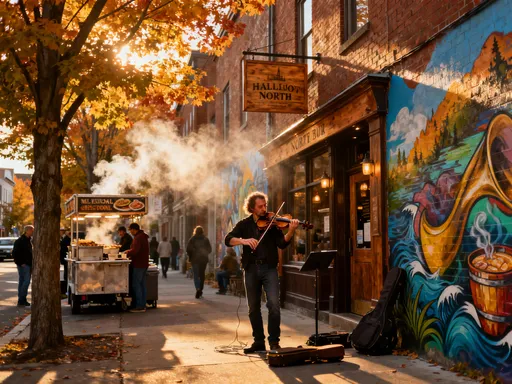
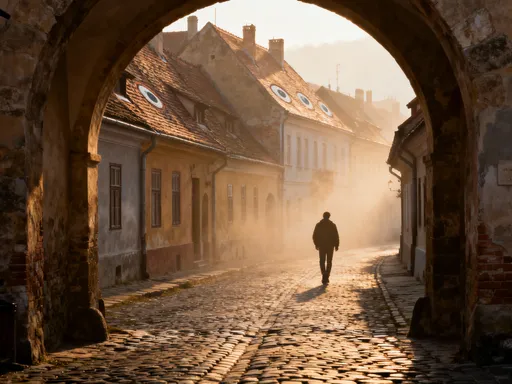
While headline acts and official programs draw crowds, some of the most memorable moments in Sarajevo happen far from the spotlight. It’s in the quiet corners, unplanned encounters, and fleeting interactions that the soul of the festival truly reveals itself. A traveler might stumble upon a violinist playing sevdah melodies beneath a stone archway, or witness an elderly couple dancing slowly in a dimly lit kafana, lost in memory and music. These unscripted scenes, though brief, often leave the deepest impressions.
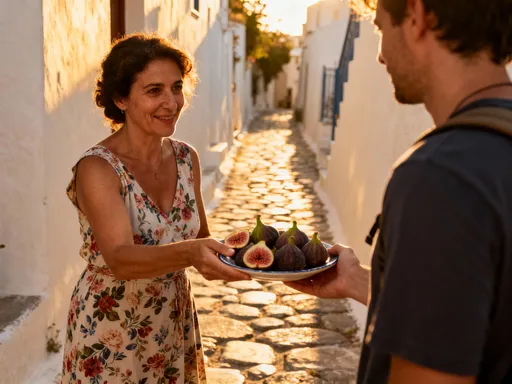
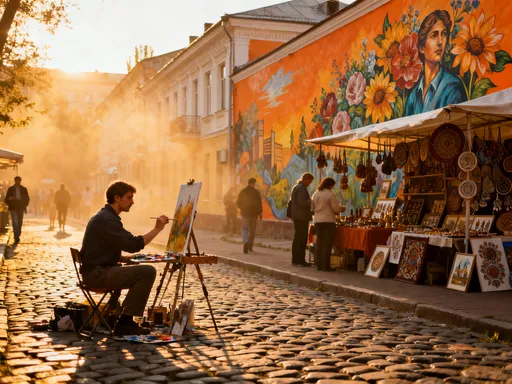
Wandering without a schedule can lead to unexpected discoveries. In the maze of Baščaršija, artisans set up temporary stalls selling hand-embroidered scarves, copper lanterns, and wooden carvings. Conversations with vendors often turn into mini cultural exchanges—stories about family recipes, traditional craftsmanship, or childhood memories of past festivals. One might be invited for a glass of herbal tea or offered a bite of homemade rahat lokum, the city’s beloved Turkish delight.
Another hallmark of Sarajevo’s festival nights is the kafana culture—the traditional coffeehouses that stay open well past midnight. These are not tourist-oriented bars but gathering places where locals unwind, debate, and celebrate. Sitting in one, especially during festival season, means overhearing poetry readings, joining spontaneous sing-alongs, or listening to elders recount tales of the city’s past. The warmth of these spaces comes not from decor but from human presence. For visitors willing to step off the main path, these moments offer a rare kind of intimacy—one that cannot be replicated in guidebooks or tour packages.
Navigating the City Like a Local: Transportation and Accessibility
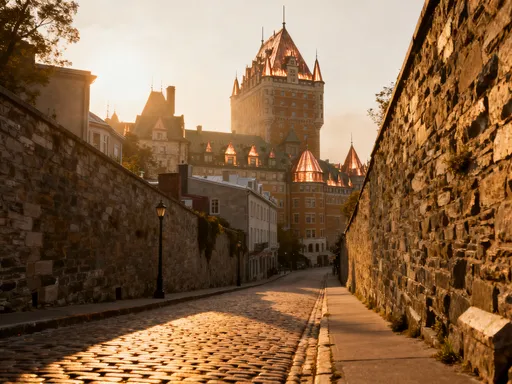
Getting around Sarajevo during festival season is both manageable and enjoyable, especially for those who embrace walking as the primary mode of transport. The city center is compact, with most festival venues located within a 20-minute walk of each other. The historic Baščaršija district, Ferhadija Street, and the pedestrian-friendly stretch along Miljacka River are easily navigable on foot, allowing visitors to absorb the sights, sounds, and scents at a leisurely pace. Comfortable shoes are essential, given the uneven cobblestones and occasional inclines.
For longer distances or when returning late at night, Sarajevo’s tram system provides reliable service. The main line runs from the central station through key areas like Marijin Dvor and Alifakovac, connecting cultural hubs and residential neighborhoods. During major festivals, trams often operate on extended schedules to accommodate late-night crowds. Taxis are also widely available and relatively affordable, though it’s advisable to use licensed services or ride-hailing apps to avoid overcharging. Public transportation signage is in Bosnian and English, making navigation accessible even for first-time visitors.
Choosing the right place to stay can significantly enhance the festival experience. The neighborhoods of Stari Grad (Old Town), Centar, and Marijin Dvor are ideal for their proximity to events, dining, and nightlife. Staying in these areas means being steps away from open-air concerts, food markets, and cultural installations. It also allows for spontaneous exploration—returning to your accommodation after a show and deciding to stop for a late-night coffee or a stroll along the river.
One common pitfall for tourists is over-relying on GPS in the old town, where narrow alleys and similar-looking buildings can cause confusion. Instead, learning a few key landmarks—such as the Sebilj fountain, Gazi Husrev-beg Mosque, or the Latin Bridge—can help with orientation. Additionally, festival maps distributed at information booths or available through official apps provide clear layouts of event locations, shuttle routes, and accessibility points. With a bit of preparation, navigating Sarajevo becomes not a challenge but part of the adventure.
Feast Where the Locals Do: Festival Food & Nightlife
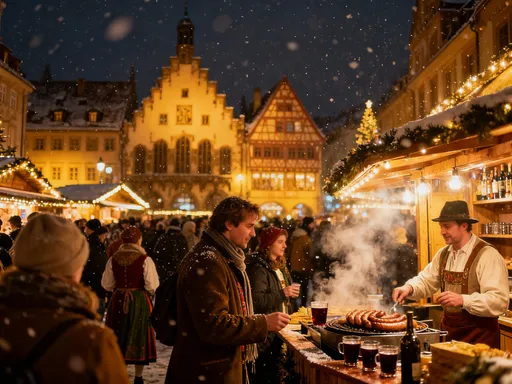
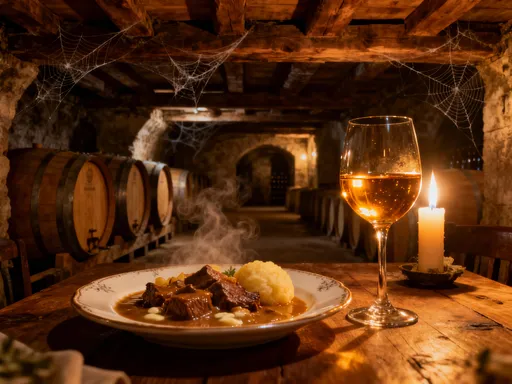
No festival experience in Sarajevo is complete without indulging in its rich culinary traditions. Food is central to celebration here, and festival season brings out the best of Bosnian cuisine in both formal restaurants and humble street stalls. The aroma of grilled meat, flaky pastries, and spiced coffee fills the air, guiding visitors to some of the city’s most beloved flavors. At the top of any must-try list is ćevapi—small, seasoned beef sausages served in soft somun bread, topped with raw onions and often accompanied by kajmak, a creamy dairy spread. These are best enjoyed at a standing counter in Baščaršija, where locals line up daily regardless of the season.
Burek is another staple, a spiral-shaped pastry filled with meat, cheese, or spinach and baked until golden and crisp. Traditionally eaten for breakfast, it has become a popular late-night snack during festivals, especially when paired with yogurt. Street vendors set up folding tables near performance areas, offering quick bites between shows. For something sweeter, visitors should try tufahije—poached apples stuffed with walnuts and topped with whipped cream—or sirni lepinja, a warm cheese-filled flatbread that disappears fast at outdoor markets.
Rakija, a fruit brandy often homemade, is the drink of choice during celebrations. Plums (šljivovica), pears (kruškovac), and quince (dunjevača) are common varieties, each with its own devoted following. It’s customary to share a small glass with new friends, especially in kafanas or after a moving musical performance. While modern bars serve cocktails and imported beers, rakija remains a symbol of hospitality and authenticity.
To truly eat like a local, avoid restaurants clustered directly around main festival squares, where prices are often inflated and portions tailored for tourists. Instead, venture a few blocks into side streets or follow the crowd of residents heading to neighborhood favorites. Places like Dveri, Ćevabdžinica Željo, or Buregdžinica Bosna consistently earn praise for their quality and warmth. Even during peak festival weeks, these spots maintain their character, serving food with pride rather than profit in mind. Sharing a table with strangers over a plate of warm burek is not just a meal—it’s a ritual of belonging.
Making the Most of Your Festival Experience: Pro Tips
To fully embrace the magic of Sarajevo’s festival season, a few practical strategies can make a significant difference. First, download the official festival app or check the event website before arrival. These resources provide up-to-date schedules, venue maps, ticket availability, and information about free public performances. Many festivals also offer mobile programs with real-time updates, helping visitors adjust plans based on weather, crowd size, or surprise pop-up events.
Cash remains important in Sarajevo, especially at small food stalls, artisan markets, and family-run kafanas. While credit cards are accepted in hotels and larger restaurants, many vendors operate on a cash-only basis. Carrying local currency—Bosnian convertible marks (BAM)—ensures smooth transactions and avoids missed opportunities. ATMs are widely available, but it’s wise to withdraw during daytime hours and in well-lit areas.
Dressing appropriately for the weather is another key consideration. Sarajevo’s mountainous location means temperatures can drop significantly at night, even in summer. Layers are recommended—light clothing for daytime exploration, a jacket or scarf for evening events. Comfortable footwear is non-negotiable, given the amount of walking involved. A small backpack with a water bottle, portable phone charger, and a compact umbrella can enhance comfort during long festival days.
Equally important is approaching the culture with respect and openness. Bosnians are known for their hospitality, but they also value genuine interest in their traditions. Simple gestures—learning a few phrases in Bosnian, asking permission before photographing performers, or accepting an offered glass of coffee—go a long way. Attending free events, such as open-air concerts or cultural exhibitions, allows deeper engagement with the community and often leads to meaningful conversations. These interactions, more than any scheduled activity, define the richness of the festival experience.
Why Sarajevo’s Festivals Stay With You Long After They End
The impact of Sarajevo’s festivals extends far beyond the final encore or closing ceremony. Long after the music fades and the lights come down, visitors carry with them a sense of connection—to the city, to its people, and to a spirit of resilience and joy that feels both rare and essential. These festivals are not merely annual events; they are acts of remembrance, celebration, and hope. They remind us that culture thrives not in isolation but in gathering, in sharing stories, songs, and meals across generations.
What lingers most is the feeling of being part of something larger than oneself. Whether it’s the echo of a sevdah melody in an ancient courtyard, the warmth of a stranger’s smile over a shared plate of ćevapi, or the sight of children dancing in the street under golden lanterns, these moments imprint themselves on memory. They speak to a universal human need for belonging, for celebration in the face of adversity, and for beauty woven into everyday life.
Sarajevo does not offer a polished, packaged version of travel. Instead, it invites visitors into its heartbeat—raw, rhythmic, and real. To experience the city during festival season is to witness culture in motion, to feel the pulse of a community that chooses joy, creativity, and togetherness year after year. It is not just a destination to visit, but a feeling to carry forward.
So come for the festival, but stay for the soul of the city. Let the music guide your steps, the food warm your spirit, and the people remind you of what truly matters. In Sarajevo, under the glow of lantern light and the stars above the Miljacka, you may just find that the most unforgettable journeys are not measured in miles—but in moments that stay with you forever.