You Won’t Believe How Alive Nuremberg Feels During Festival Season
If you've ever wondered what it’s like to step into a living storybook, Nuremberg, Germany, during festival season is as close as it gets. The cobbled streets hum with music, the scent of roasting nuts and mulled wine lingers in the air, and every corner reveals a new tradition. I’ve never felt more immersed in a culture than when dancing alongside locals at a spontaneous street parade or sharing laughter over warm pretzels under twinkling lights. This isn’t just sightseeing—it’s belonging. In a world where travel often feels rushed and commercialized, Nuremberg offers something rare: authenticity wrapped in celebration. Here, festivals are not performances for tourists but deeply rooted traditions that invite everyone into their warmth, rhythm, and story.
The Magic of Nuremberg’s Festival Atmosphere
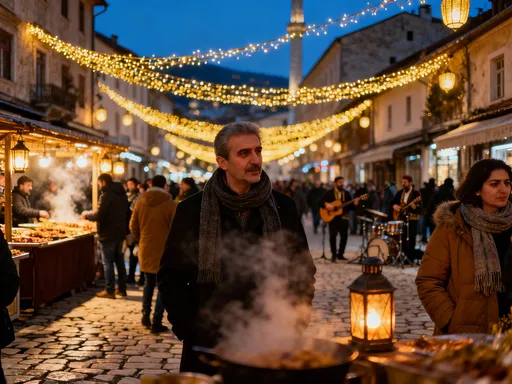
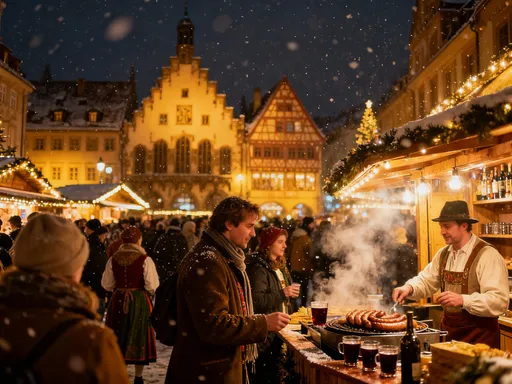
Nuremberg’s festival magic begins long before any official event starts. As autumn deepens into winter, the city slowly transforms into a glowing stage where history and celebration meet. The medieval architecture—timber-framed houses, towering city walls, and the imposing Imperial Castle—becomes a natural backdrop for seasonal festivities. Strings of golden lights arch over narrow lanes, and wreaths adorned with pinecones and red ribbons hang from shop windows. Public squares like Hauptmarkt and Lorenzer Platz are carefully reimagined, their usual quiet replaced by wooden market stalls, hand-carved signs, and the soft crackle of open fires warming both hands and hearts.
The transformation of these spaces is more than visual—it’s emotional. Hauptmarkt, normally a bustling town square, becomes the vibrant heart of the Christkindlesmarkt, drawing hundreds of thousands each year. The space feels intimate despite the crowds, as if everyone has been invited to a family gathering. Wooden huts sell handmade ornaments, candles, and regional textiles, while carolers in traditional dress sing from balconies above. The air is thick with the scent of cinnamon, roasted almonds, and smoked sausages. Every sense is engaged: the crunch of snow underfoot, the warmth of a steaming drink in gloved hands, the laughter of children watching puppet shows near the fountain.
What sets Nuremberg apart is how naturally the festival atmosphere blends with daily life. Locals don’t just attend—they participate. Grandparents bring grandchildren to meet the Christkind, artisans return year after year to sell their wares, and neighbors gather at outdoor beer gardens even in freezing temperatures. The city doesn’t shut down for tourists; it opens up. This authenticity is what makes the experience so powerful. Visitors aren’t observing culture from a distance—they’re walking through it, breathing it, becoming part of it.
Christkindlesmarkt: More Than Just a Christmas Market
Among Europe’s many holiday markets, Nuremberg’s Christkindlesmarkt stands as one of the most iconic—and for good reason. Established in the 16th century, it is not only a seasonal attraction but a living tradition that reflects centuries of cultural continuity. Every year, on the Friday before the first Sunday of Advent, the Christkind—a golden-haired angelic figure in a white and gold robe—opens the market with a poetic proclamation broadcast from the balcony of the Frauenkirche. The moment is solemn and joyful at once, a blend of religious reverence and communal festivity that sets the tone for the days ahead.
The market’s reputation rests on authenticity. Unlike some markets that cater primarily to tourists with mass-produced trinkets, Nuremberg’s stalls are carefully curated. Only vendors from the Nuremberg region or those offering genuine traditional crafts are allowed. This ensures that the wooden nutcrackers, hand-blown glass ornaments, and intricately carved candle arches are not souvenirs but heirloom-quality pieces made by skilled artisans. The food, too, follows strict guidelines. The famous Nürnberger Rostbratwurst—small, spiced pork sausages grilled over beechwood—must be prepared according to a protected regional recipe. Similarly, the Lebkuchen, a soft gingerbread-like treat often decorated with icing, is baked in Nuremberg or nearby Dachau, where the tradition dates back over 600 years.
For visitors, the key to enjoying the Christkindlesmarkt lies in timing and approach. The busiest hours are weekends between 12 p.m. and 6 p.m., when tour groups and day-trippers flood the square. Early mornings on weekdays, especially during the first or last week of the market, offer a more relaxed experience. Arriving just after sunrise allows travelers to see the market come alive—the steam rising from food stalls, the first lights flickering on, the quiet hum before the crowds arrive. For those seeking quieter corners, the Kinderlebkuchenhausweg (Children’s Gingerbread House Lane) and the Krippenmarkt (Nativity Market) offer gentler, family-oriented alternatives just steps away from the main square.
Beyond December: Year-Round Festival Culture
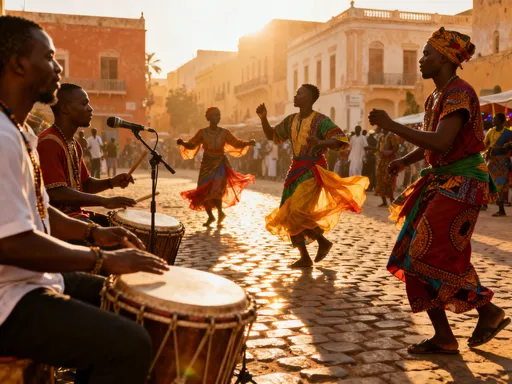
While the Christkindlesmarkt is Nuremberg’s most famous celebration, it is far from the only one. The city’s festival calendar runs year-round, each event offering a different lens into its rich cultural fabric. In early summer, the Bardentreffen transforms the old town into an open-air stage for world music. For three days, performers from Africa, Asia, Latin America, and Europe fill the streets with rhythms, melodies, and dance. Unlike formal concerts, these performances are spontaneous and accessible—children clap along, couples sway in the square, and passersby stop to listen between errands. The festival, which began in the 1970s, reflects Nuremberg’s growing embrace of global culture while maintaining its local identity.
Another highlight is the Pfingstmarkt, or Whitsun Market, held over the Pentecost weekend in late spring. Rooted in centuries-old trade traditions, it features regional crafts, live folk music, and seasonal foods like fresh asparagus and strawberry wine. Unlike the winter markets, the Pfingstmarkt unfolds in green, sunlit spaces—along the Pegnitz River and in the castle gardens—offering a refreshing contrast to the cozy warmth of December. It’s a time when locals celebrate the return of longer days, often dressed in traditional Bavarian attire, with families picnicking and artisans demonstrating age-old skills like pottery and weaving.
These festivals reveal a city that doesn’t merely preserve tradition but lives it. Each event is supported by civic organizations, volunteer groups, and generations of families who return year after year. The continuity is striking: a grandmother might remember attending the Pfingstmarkt as a child, now bringing her grandchildren to the same puppet show or carousel. This intergenerational participation fosters a deep sense of belonging and ensures that festivals remain community-centered rather than tourist-driven. For visitors, this means an opportunity to witness culture not as a display behind glass but as a dynamic, evolving practice.
Living Like a Local: Immersive Experiences You Can’t Miss
To truly experience Nuremberg’s festival season is to participate, not just observe. The city offers numerous hands-on activities that allow visitors to step into the rhythm of local life. One of the most cherished is the Lebkuchen decorating workshop, where families and solo travelers alike can paint and glaze their own gingerbread hearts—often inscribed with names or sweet messages. These workshops, typically held in historic bakeries or market tents, are led by master bakers who share stories about the origins of the craft and its role in holiday celebrations.
Another memorable experience is the Laternenweg, or lantern walk, especially popular during the Advent season. Children carry handmade lanterns through dimly lit streets, singing carols and stopping at homes that offer warm drinks and cookies. Some tours recreate this tradition for visitors, guiding small groups through quiet neighborhoods where the glow of candles in windows creates a sense of quiet magic. Similarly, folk dancing events—often held in community halls or outdoor stages—invite guests to learn simple steps and join in circle dances that have been performed for generations.
For those seeking deeper understanding, story-driven walking tours offer a powerful alternative to standard historical overviews. Guides don’t just recite dates and facts; they share legends, personal memories, and everyday anecdotes that bring the city to life. One might hear about the baker whose family has supplied the Christkindlesmarkt with sausages since 1952, or the artisan who learned candle-making from her grandmother. These narratives connect the past to the present, making history feel immediate and personal. Such experiences are especially meaningful for women aged 30 to 55, who often seek travel that combines emotional resonance with cultural depth.
Navigating the City During Peak Festivals
While Nuremberg’s festivals are deeply welcoming, planning ahead ensures a smoother, more enjoyable visit. The city’s public transportation system, particularly the U-Bahn, is efficient and well-connected. During peak festival times, additional trains run frequently, and signage is clearly marked in both German and English. Most visitors find it easiest to stay within a 20-minute ride of the Hauptmarkt, where major hotels and guesthouses are clustered. For those arriving by car, parking is available at central garages like Tiefgarage Hauptmarkt or Königstor, though spaces fill quickly on weekends.
Accommodation options range from charming historic guesthouses in the Altstadt to modern hotels near the central train station. Families or longer-term visitors might prefer vacation rentals, which often include kitchenettes and extra space. Booking three to six months in advance is advisable, especially for December stays. Many lodgings offer festival packages that include breakfast, market vouchers, or guided tour discounts, adding both convenience and value.
Weather is another factor to consider. December in Nuremberg averages between -1°C and 4°C (30°F to 39°F), so layers, waterproof boots, and thermal accessories are essential. While the city is walkable, pacing is important—visitors should plan rest breaks in heated cafes or market huts. For budget-conscious travelers, visiting during the first or last week of the Christkindlesmarkt can mean lower prices and fewer crowds. Additionally, many museums and cultural sites offer free admission on the first Sunday of the month, providing a warm, enriching alternative on colder days.
Savoring Nuremberg: A Culinary Journey Through the Festivals
Festival food in Nuremberg is not just sustenance—it’s heritage on a plate. The city’s culinary traditions are deeply tied to its seasonal celebrations, with recipes passed down through generations. The Nürnberger Rostbratwurst, perhaps the most iconic dish, is served in sets of six or twelve, grilled over beechwood and served with sweet mustard and a fresh roll. Its small size and bold flavor reflect the city’s historical role as a trade hub, where quick, satisfying meals were needed for merchants and travelers.
Equally significant is the Lebkuchen, a spiced cake made with honey, nuts, and candied fruit. Unlike generic gingerbread, Nuremberg’s version is protected by EU geographical indication, meaning only cakes made in the city can bear the name. Varieties range from soft and moist to crisp and decorated, often with messages like "Liebe" (love) or "Frohe Weihnachten" (Merry Christmas). Other seasonal treats include Bratäpfel (baked apples filled with raisins and cinnamon), roasted chestnuts, and Glühwein—a spiced red wine served in collectible mugs that double as souvenirs.
To experience authentic flavors, visitors should look for stalls with long lines of locals, as these often indicate quality and tradition. The official Christkindlesmarkt website publishes a list of approved vendors, helping travelers avoid tourist traps. For a more complete experience, consider a guided food tour that visits multiple stalls and explains the history behind each dish. These tours often include behind-the-scenes visits to bakeries or spice merchants, offering insight into how centuries-old recipes are still made by hand. Sharing a mug of Glühwein with new friends at a shared table is not just a meal—it’s a moment of connection, a small but meaningful part of the festival’s soul.
Why Festival Travel Is the Future of Authentic Tourism
In an age of fast travel and curated Instagram moments, Nuremberg’s festival season offers a refreshing alternative: slow, meaningful engagement with place and people. Festival travel is not about ticking off landmarks but about stepping into the rhythm of a community’s life. It invites visitors to celebrate, taste, sing, and remember—not as outsiders, but as welcomed guests. This form of tourism fosters deeper understanding, breaking down cultural barriers through shared joy and tradition.
Nuremberg exemplifies how cities can preserve identity while remaining open to the world. Its festivals are not performances for profit but acts of cultural continuity, sustained by pride and participation. When a child receives a hand-carved toy from a local artisan, or a visitor learns a folk song from a street musician, something intangible but powerful is exchanged—respect, warmth, belonging.
For women who value connection, authenticity, and meaningful experiences, festival travel offers a profound way to explore the world. It’s not about luxury or escape, but about presence. As tourism evolves, destinations like Nuremberg remind us that the best journeys are not those that show us how different we are, but those that reveal how much we share. So this season, and in the seasons to come, consider a destination where culture isn’t displayed behind glass—it’s lived, breathed, and celebrated by all. Come not just to see, but to belong.