You Won’t Believe These Hidden Natural Wonders Near Kabul
When I told friends I was heading to Kabul for nature, they laughed. But Afghanistan’s landscape? Absolutely mind-blowing. Just outside the city, rugged mountains, alpine lakes, and quiet valleys wait—untouched, unspoiled. I went seeking peace and found breathtaking beauty instead. This isn’t just survival travel; it’s soul-stirring escape. Let me show you why nature here changes everything. The image of Kabul in global media often centers on conflict, politics, or reconstruction—but beyond that narrow frame lies a country sculpted by time, weather, and ancient geology into one of the most dramatic and serene natural landscapes in Central Asia. For those willing to look past headlines, Afghanistan offers quiet meadows, crystal rivers, and mountain trails that whisper resilience, endurance, and unexpected grace.
Why Kabul? Breaking the Misconception
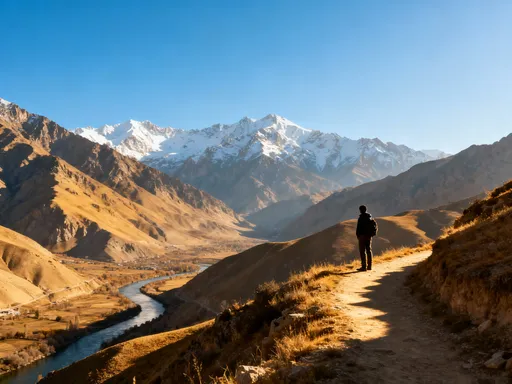
Most travelers hear "Kabul" and think of turmoil, checkpoints, and international news coverage. It’s a natural assumption, shaped by decades of conflict. Yet this single narrative overlooks a deeper truth: geography does not change with politics. While cities evolve and governments shift, mountains remain. And Kabul—nestled in a narrow valley at over 5,800 feet—sits at the edge of some of the most striking highland terrain in the region. The Hindu Kush range wraps around the city like a protective arm, its peaks often dusted with snow even in late spring. These landscapes have existed long before modern conflicts and will endure long after. Recognizing this helps shift perspective: visiting Kabul for nature isn’t contradiction—it’s correction. It’s choosing to see a fuller picture, one where beauty and hardship coexist, but beauty is not erased by it.
The idea that natural wonders belong only to peaceful or tourist-friendly countries is a limiting one. Some of the world’s most powerful landscapes emerge from places of complexity. Think of the volcanoes of Indonesia, the deserts of Jordan, or the fjords of Iceland—regions shaped by both geological and human turbulence. Afghanistan fits this mold. Its terrain tells stories of tectonic collisions, glacial retreats, and river-carved canyons. For the observant traveler, these features offer not just scenic reward, but emotional grounding. When you stand at the edge of a valley where no power lines hum and no billboards distract, something inside recalibrates. The mind slows. The breath deepens. The heart opens. That experience is available just a short drive from Kabul—if you know where to look.
What’s more, Afghans themselves have long cherished these natural spaces. For generations, families have escaped the city’s dust and noise for weekends in the hills. The tradition of picnicking under walnut trees, sipping green tea by mountain streams, or hiking to high meadows for fresh air is deeply rooted. This cultural rhythm reveals an essential truth: nature here isn’t exotic or marginal—it’s part of daily life, a source of renewal and joy. To travel here with respect means honoring that rhythm, moving slowly, and listening more than speaking. It means understanding that beauty isn’t a tourist export—it’s a shared inheritance.
Paghman Hills: The Gateway to Serenity
Just 15 miles west of Kabul lies Paghman, a mountainous retreat that has long served as the city’s natural backyard. Once known for its royal gardens and summer villas, Paghman was heavily damaged during years of conflict but has since seen steady restoration. Today, it stands as a symbol of resilience—and a magnet for locals seeking fresh air and green space. The drive there winds through rocky foothills, gradually revealing pine-covered slopes and sweeping views of the surrounding range. In spring, the hills explode with wildflowers—purple iris, yellow poppies, and delicate mountain daisies painting the terrain in soft strokes. By summer, the landscape turns lush and green, with families spreading carpets under shade trees, children flying kites, and elders sipping tea from thermoses.
Paghman’s charm lies in its simplicity. There are no amusement parks or luxury resorts—just open land, fresh breezes, and the sound of wind through pine branches. Small roadside stalls sell roasted corn, sweet tea, and dried fruits. Simple guesthouses, often run by local families, offer basic but clean accommodations for those who wish to stay overnight. At dusk, the sky turns deep orange, then indigo, and stars appear with startling clarity, unobscured by city lights. For visitors, this is more than a scenic outing—it’s immersion in a quieter way of life, one where pleasure comes from presence, not consumption.
The seasonal rhythm of Paghman reflects the agricultural heartbeat of the region. In autumn, walnut harvests bring activity to the forests, with families gathering the nuts that are a staple of Afghan cuisine. Winter transforms the hills into a monochrome dreamscape—snow blankets the slopes, and on clear days, the silence is profound. While snow can make roads slippery, those who visit during this season describe a rare kind of peace, like walking through a world paused in time. For women travelers especially, Paghman offers a welcoming environment—many visitors are local families, and modest dress aligns naturally with cultural norms. There’s no pressure, no performance—just the comfort of being outdoors, breathing deeply, and feeling grounded.
Charikar Valley & The Ghorband River
Traveling north from Kabul into Parwan Province, the landscape opens into the Charikar Valley, a fertile corridor carved by the Ghorband River. This journey—about two hours by car—takes you through high mountain passes and terraced hillsides, where irrigation channels feed orchards of apples, apricots, and pomegranates. The Ghorband River itself is a marvel: its waters run clear and cold, fed by snowmelt from the Hindu Kush. In certain stretches, the river widens into calm pools perfect for reflection—both literal and metaphorical. Along its banks, willow and poplar trees provide shade, and herons stalk the shallows in search of fish.
What makes this valley remarkable is the harmony between nature and human life. Farmers work the land using methods passed down for generations, their terraced fields stepping up the hills like natural staircases. Walnut forests—some of the largest in Central Asia—dot the region, their broad canopies filtering sunlight into dappled patterns on the forest floor. These trees are more than scenic; they’re economic and cultural anchors, providing food, wood, and shade. In late summer, the air fills with the sound of cracking nuts and laughter as families gather the harvest. Travelers who visit during this season are often invited to join, offered a seat on a woven mat and a cup of sweet tea.
Biodiversity thrives here, though it goes largely undocumented. Birdwatchers may spot Himalayan snowcocks, golden eagles, or colorful bee-eaters. Wildflowers bloom in meadows untouched by development. The river supports fish species native to high-altitude streams, and along its course, small watermills still operate, grinding grain for local use. For the mindful traveler, this valley offers a lesson in balance—how people and nature can coexist without domination. There are no souvenir shops or ticketed attractions, yet the experience feels richer for it. To walk here is to step into a rhythm older than tourism, one rooted in season, soil, and community.
Baba Mountain: A Spiritual and Scenic High Point
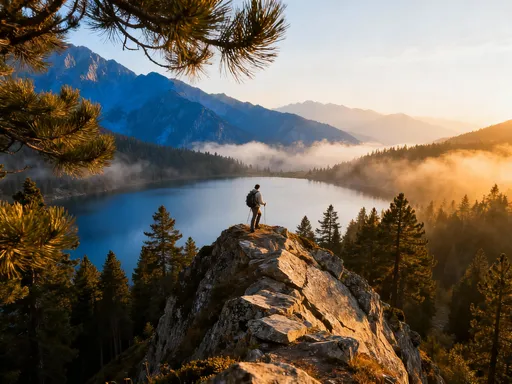
Rising just north of Kabul, Baba Mountain—also known as Takht-e Suleiman or Solomon’s Throne—is a sacred peak that offers one of the most panoramic views in the region. At nearly 8,500 feet, its summit provides a sweeping vista of Kabul Valley, the surrounding ranges, and, on clear days, the distant peaks of the Hindu Kush stretching into the horizon. The ascent can be made on foot via a well-trodden pilgrimage path, a route that has been used for centuries by those seeking spiritual clarity or physical challenge. Along the way, stone markers and small shrines dot the trail, left by visitors offering prayers or marking milestones.
The hike itself is moderate in difficulty—about three to four hours round trip—making it accessible to most travelers with average fitness. The trail winds through rocky outcrops and alpine meadows, with juniper and wild thyme scenting the air. As elevation increases, the city’s noise fades, replaced by wind and the occasional call of a distant shepherd. At the top, a simple stone platform marks the summit, often adorned with colorful prayer flags fluttering in the breeze. Many Afghans believe the site holds spiritual power, and it’s common to see individuals sitting quietly, eyes closed, hands raised in supplication.
For non-religious visitors, the mountain offers something equally profound: silence and scale. Standing at the summit, the vastness of the landscape puts personal concerns into perspective. The air is crisp and clean, a stark contrast to Kabul’s often-polluted atmosphere. Sunrises here are unforgettable—golden light spilling over the eastern ridges, slowly warming the valley below. Some travelers bring journals or sketchbooks, using the stillness to reflect or create. Others simply sit, absorbing the moment. Whatever the intention, the experience tends to leave a lasting imprint. Baba Mountain isn’t just a destination; it’s a reminder that elevation—whether physical or emotional—can bring clarity.
Sightseeing Safely: Practical Tips for Travelers
Traveling near Kabul requires preparation, awareness, and respect. While the natural sites described are real and visited by locals, international travel to Afghanistan remains complex. For those considering such a journey, timing and approach are critical. The best seasons for mountain and valley exploration are spring (April to early June) and autumn (September to October), when temperatures are mild, skies are clear, and roads are passable. Summer can bring intense heat in lower areas, while winter snows may block high passes, so planning around weather is essential.
Transportation is typically by private vehicle, as public transit to remote areas is limited and often unreliable. Hiring a local driver with knowledge of mountain roads is strongly advised—many routes are unpaved and require four-wheel drive, especially after rain. Even short trips should be planned with extra fuel, water, and basic supplies. Mobile networks may be spotty, so offline maps and GPS tools can be lifesavers. Most importantly, traveling with a trusted local guide is not just a safety measure—it’s a cultural bridge. Guides can help navigate language barriers, explain customs, and ensure visits are respectful and welcomed by communities.
Cultural sensitivity is paramount. Dressing modestly—long sleeves, loose clothing, head coverings for women—aligns with local norms and shows respect. Always ask permission before photographing people, especially women and children. When visiting religious or sacred sites like Baba Mountain, observe quiet behavior and follow local practices. Carrying a small gift—such as tea, sugar, or school supplies—when visiting villages can foster goodwill. Health precautions include drinking only bottled or purified water, using sunscreen and lip balm at high altitudes, and bringing a basic first-aid kit. Travel insurance that covers emergency evacuation is highly recommended, even for short trips.
Staying informed is crucial. Check government travel advisories regularly and register your trip with your embassy if possible. While many areas near Kabul are stable, conditions can change quickly. Flexibility and patience are part of the journey. The goal is not to eliminate risk entirely—that’s impossible anywhere—but to travel wisely, with humility and care. When done right, such travel becomes not just safe, but deeply meaningful.
Nature as Healing: The Deeper Impact
Beyond the physical beauty, these landscapes offer something harder to quantify but just as real: emotional restoration. In a country that has endured decades of hardship, nature serves as a quiet healer. For locals, a day in the hills is more than recreation—it’s therapy. For visitors, it can be transformative. I remember sitting by a tributary of the Ghorband River, watching sunlight dance on the water, and feeling a tension I hadn’t even noticed begin to dissolve. There were no grand epiphanies, just a simple return to breath, to presence, to the moment.
This kind of healing isn’t unique to Afghanistan, but it feels especially potent here. In places marked by loss, the persistence of beauty becomes a form of resistance. When you see wildflowers growing in a scarred hillside, or hear birdsong above a ruined village, you’re reminded that life continues. The land doesn’t forget, but it also doesn’t stop living. That resilience mirrors the spirit of the people—quiet, enduring, rooted. Travelers who come seeking only scenery may leave with something deeper: a renewed sense of hope, a slower heartbeat, a wider perspective.
For women, in particular, these natural spaces can feel like sanctuaries. Away from crowded streets and social expectations, there’s room to breathe, to move freely, to simply be. I’ve seen mothers laughing with daughters as they climbed a rocky path, women sketching mountain views in notebooks, elders sitting in silence, faces turned toward the sun. These moments aren’t staged for tourists—they’re real, unguarded, and deeply human. They remind us that peace isn’t always loud or dramatic. Sometimes, it’s the sound of water over stones, the rustle of leaves, the warmth of sunlight on skin.
Beyond Kabul: What Lies Further Afield
While the areas near Kabul offer stunning beauty, they are merely a gateway to Afghanistan’s broader natural wealth. To the north, the Band-e-Amir National Park features a chain of turquoise lakes formed by natural dams in a high desert landscape—a site often compared to the Grand Canyon or Lake Tahoe. In the far northeast, the Wakhan Corridor stretches along the Pamir Mountains, a remote, high-altitude region where ibex roam and ancient trade routes still trace the valleys. These places are harder to reach and require more planning, but they underscore a vital truth: Afghanistan’s natural heritage is vast and varied.
Yet even without venturing that far, the hills and valleys within a few hours of Kabul provide ample wonder. They challenge the assumption that this country is defined only by conflict. Every wildflower, every clear stream, every mountain sunrise tells a different story—one of endurance, balance, and quiet dignity. For the traveler willing to look beyond the surface, Afghanistan offers not escape, but revelation. It invites us to see complexity without fear, beauty without irony, and humanity without simplification.
The call to explore these places isn’t about thrill-seeking or ticking off destinations. It’s about reconnection— to land, to self, to a slower, more intentional way of being. It’s about recognizing that even in the most unexpected corners of the world, nature holds space for healing, wonder, and hope. And sometimes, the most powerful journeys begin not with a passport stamp, but with a shift in perspective.
Kabul’s natural scenery isn’t an escape from reality—it’s a truer picture of the country. Beyond the noise, there’s stillness. Beyond conflict, there’s continuity. The land endures, green and proud. For anyone willing to look closer, Afghanistan offers not just survival stories—but stories of beauty, balance, and quiet hope.